
7 Herbal Teas as an Organic Alternative to Aspirin

Aspirin is one of the oldest and most widely used drugs in the world, which has been prescribed for years to reduce pain, fever, inflammation and even prevent heart problems. This drug plays an important role in reducing pain and thinning the blood by inhibiting certain inflammatory enzymes in the body, and is a vital medicine for many people, especially heart patients or those who are at risk of blood clots.
Of course, it should be borne in mind that long-term or arbitrary use of aspirin causes side effects such as digestive problems, stomach ulcers, or an increased risk of bleeding. For this reason, many people are looking for natural and organic ways to reduce pain and mild inflammation. Herbal teas are options that are used to relieve pain and relax the body.
In this article, we will explain the function of aspirin and introduce 7 herbal teas that can be an organic alternative to aspirin.
How Does Aspirin Work and Who is it Prescribed For?
Aspirin works by inhibiting enzymes called COX-1 and COX-2, which reduce the production of prostaglandins. These chemicals in the body are responsible for causing pain, inflammation, and fever. Aspirin also has antiplatelet properties, meaning it prevents blood platelets from sticking together and prevents clot formation.

Doctors usually prescribe aspirin for the following conditions:
- Heart patients or people with a history of heart attack or stroke
- People at high risk of blood clots
- People with chronic inflammatory pain
- People with mild to moderate fever or pain
Despite its many benefits, aspirin is not suitable for everyone and its use is not recommended without a doctor’s advice.
Important Disclaimer Before Introducing Herbal Teas
If aspirin is prescribed to you by your doctor, you should never replace it with herbal teas. The herbal teas introduced in this article are intended for mild pain and inflammation relief, and are suitable for healthy individuals, without a therapeutic role comparable to that of medicine.
If you are taking blood thinners, are pregnant, have chronic diseases, or are having surgery, be sure to consult a doctor before drinking herbal teas or replacing aspirin with other alternatives.
7 Herbal Teas as Organic Alternatives to Aspirin
Seven herbal teas are introduced as organic alternatives to aspirin to help reduce pain, inflammation, and mild discomfort, offering natural options to support daily health. Let’s explore the best 7 herbal teas that a healthy individual like you can drink as an alternative to aspirin.
#1 Ginger Tea
Ginger tea is one of the best-known organic anti-inflammatory herbal teas. Its active compounds, such as gingerols, reduce inflammation and relieve muscle and joint pain.
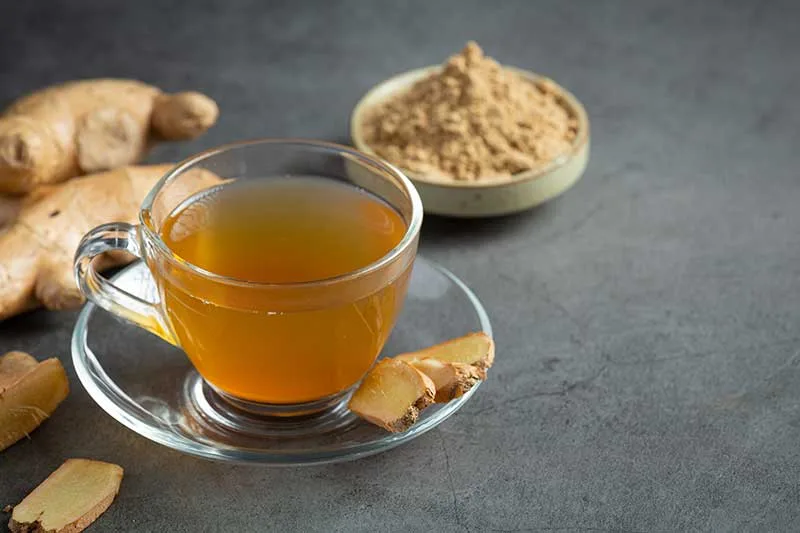
Studies show that ginger is very useful in reducing menstrual cramps, mild headaches, and pain caused by inflammation. Unlike aspirin, ginger puts less pressure on the stomach, but excessive consumption may cause acid reflux and heartburn.
#2 Turmeric Tea
The active ingredient in turmeric tea, or The Golden Milk, is called curcumin, which is one of the most powerful natural anti-inflammatory compounds. Curcumin has a similar function to anti-inflammatory drugs and helps reduce joint pain, chronic inflammation, and even mild pain.
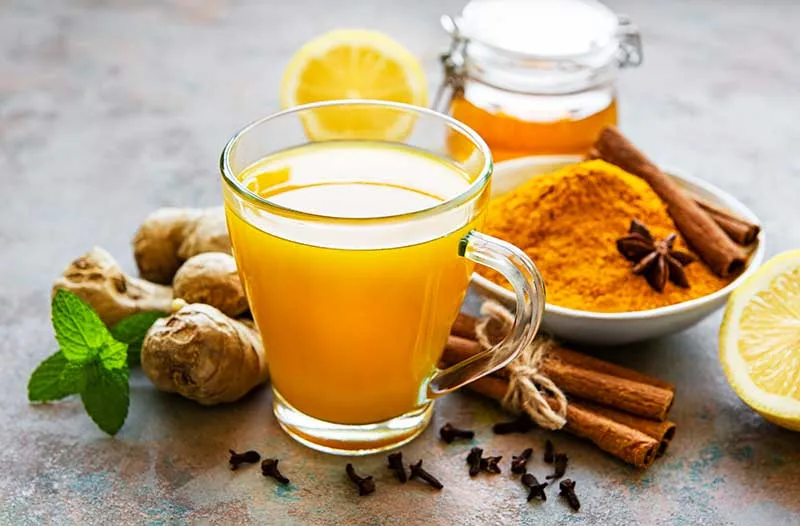
For better absorption, it is best to drink turmeric with a little black pepper. Turmeric tea is a good option if you’re looking for an organic alternative to reduce inflammation.
#3 White Willow Bark Tea
The bark of the white willow tree contains salicin, a compound that is converted in the body to salicylic acid, the same substance that is the basis for making aspirin.
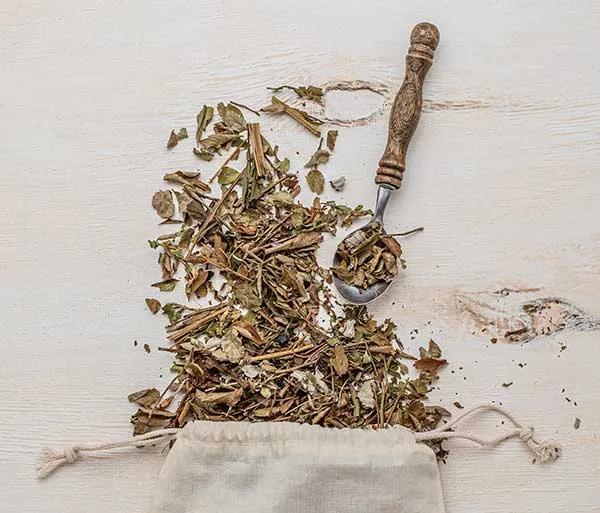
For this reason, white willow is often known as organic aspirin. This tea is effective in reducing headaches, back pain, and muscle pain. However, people who are sensitive to aspirin or have digestive problems should be careful when using it.
#4 Chamomile Tea
Chamomile tea is best known as a sedative herbal tea, but its anti-inflammatory and antispasmodic properties are also noteworthy. This tea helps reduce digestive pain, nerve headaches, and menstrual cramps.
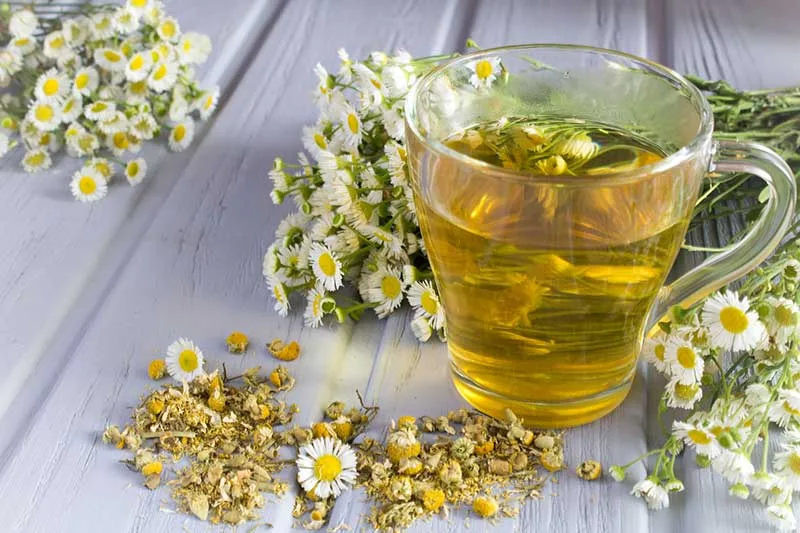
Chamomile indirectly helps reduce pain by reducing stress and improving sleep.
#5 Cinnamon Tea
Cinnamon tea is a popular herbal tea, as well as an aromatic base herb, and is rich in antioxidants and anti-inflammatory compounds. Consuming cinnamon tea helps reduce joint pain, menstrual cramps, and mild inflammation.

This tea helps regulate blood sugar and improve circulation, which plays an important role in reducing inflammation.
#6 Peppermint Tea
Peppermint tea has soothing and cooling properties due to the menthol content in peppermint leaves. This tea is very useful for tension headaches, digestive pain, and muscle spasms.
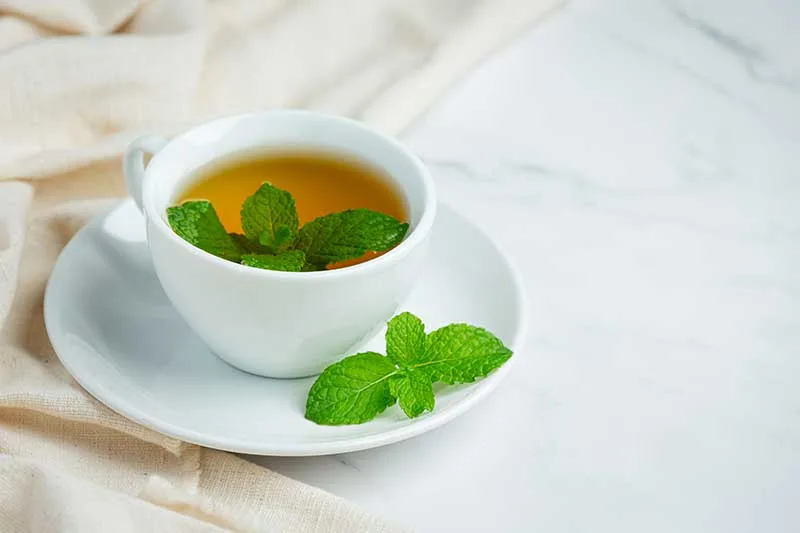
Leaves and plants of the mint family, in general, reduce mild pain and create a feeling of relaxation by relaxing the smooth muscles of the body.
#7 Clove Tea
Clove contains Eugenol, a compound with strong analgesic and anti-inflammatory properties. Cloves are used to relieve toothache and local pain.
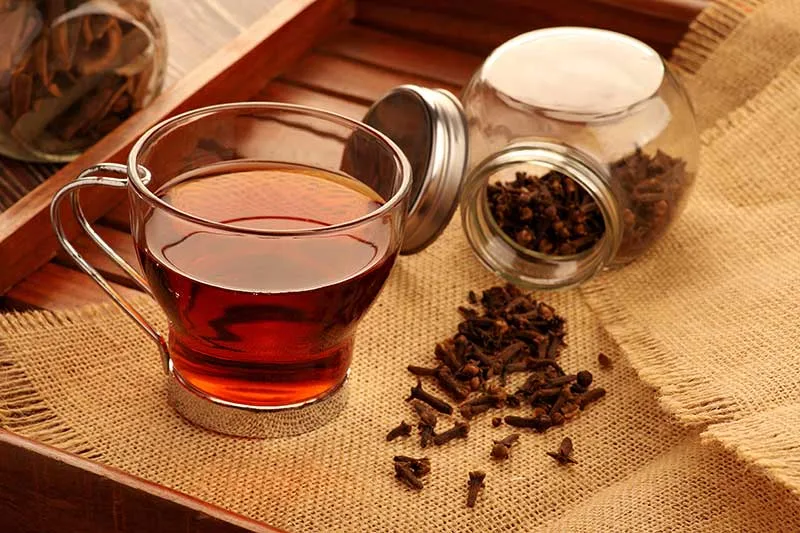
Clove tea in small amounts helps reduce pain and inflammation, but excessive consumption is not recommended.
Conclusion
Herbal teas are an organic and gentle option for reducing pain and mild inflammation, and have a good place in a healthy lifestyle. Herbs such as ginger, turmeric, white willow, and chamomile, with their anti-inflammatory compounds, offer similar but weaker effects than aspirin. However, their main difference from aspirin is in their potency and therapeutic application. Aspirin is a medical drug with a specific dose and predictable effect, while teas play a more supportive role.
Using these teas is useful for people with mild pain, temporary inflammation, or stress; but it is not a substitute for medical treatment. The best approach is to use herbs wisely alongside your doctor’s advice, not instead of it.
