
Top 7 Versatile Base Herbs You Can Add to Your Herbal Tea

Many tea lovers add some base herbs to dramatically enhance the flavor and health benefits of their tea. Base herbs like ginger, cinnamon, etc. blend well with many common herbal teas without covering other herbs’ original flavor, but enhancing the flavor and making the herbal tea taste unique. At the same time, they also boost the herbal teas’ health benefits, like anti-inflammatory, antioxidant, or immune-modulating properties.
In this article, some of the best base herbs of my choice that you can add to almost any herbal tea to improve your tea-drinking experience.
#1 Ginger
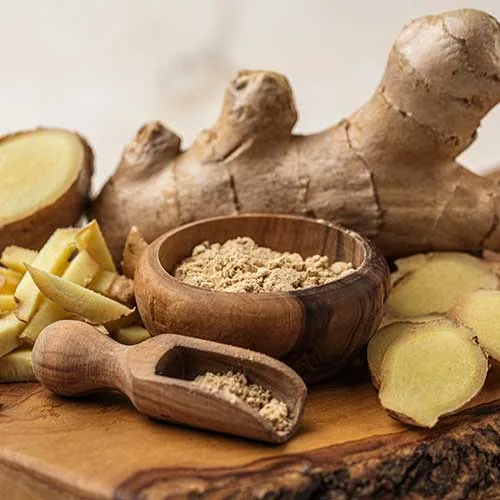
Ginger is a root with a warm, spicy flavor that makes for a mildly warming herbal tea. Ginger is a great base herb to add to almost any herbal tea, particularly gunpowder green tea, peppermint tea, and chamomile tea. It is also a good base herb for medicinal decoctions like borage and stinging nettle, just to enhance the taste.
#2 Cinnamon
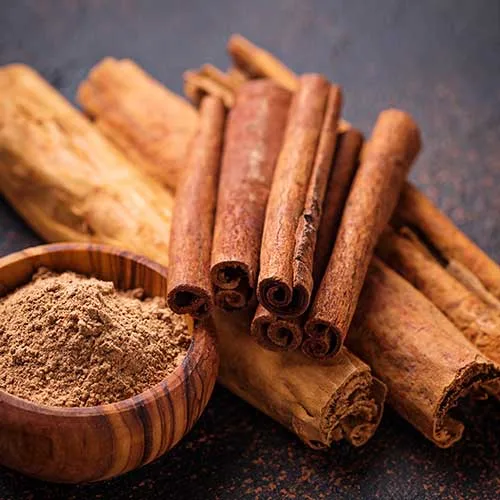
Cinnamon is a warm, sweet, and slightly earthy herb that, when used as a base, adds a nice, spicy flavor to teas. Cinnamon pairs well with any warming tea, like traditional black tea, green tea, chamomile, etc. This base herb helps reduce chronic inflammation and is very beneficial for people with mild muscle aches or inflammation from a cold or seasonal allergies.
#3 Cardamom
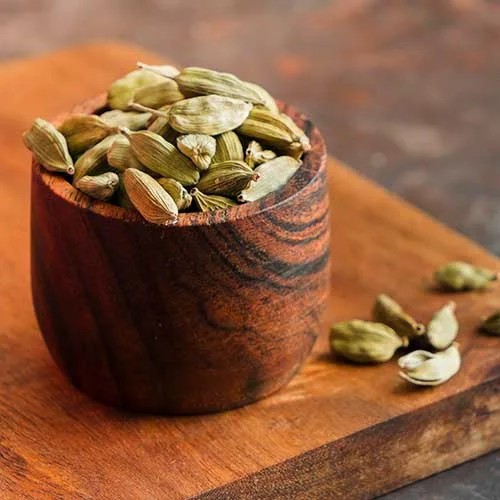
Cardamom is an aromatic spice with a floral and slightly citrusy scent that has long been a favorite of tea lovers, especially those drinking English black tea. Its sweet, light flavor adds a nice aroma to tea without weighing it down. As a base herb, cardamom pairs best with cinnamon, ginger, lemongrass, rose petals, and green tea. Cardamom has mild anti-inflammatory properties and is used in traditional medicine to soothe digestive inflammation and reduce nervous tension.
#4 Saffron
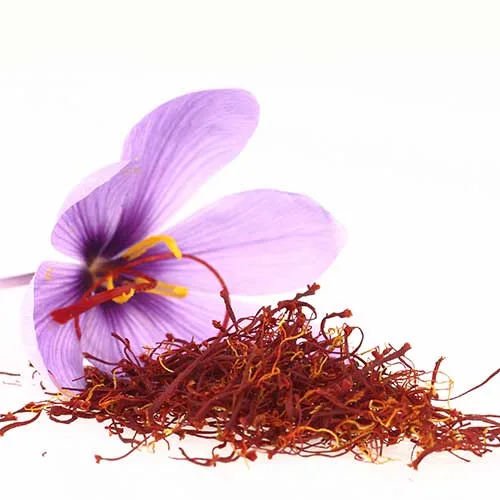
Saffron, with its golden threads, has both a warm and delicate flavor and adds a beautiful color to tea. When used as a base herb, saffron makes the best combination with black tea, jasmine, cardamom, white tea, and green tea. Saffron also has anti-inflammatory properties, and it provides an energy boost, improving focus and mood.
#5 Rose Petals / Damask Rose
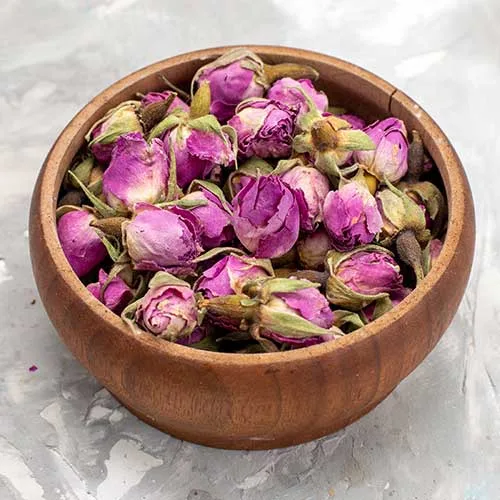
Rose petal or damask rose has a floral aroma that makes it a great base for soothing herbal teas. It blends wonderfully with saffron, cardamom, chamomile, and lemon balm. Rose petals boost immunity against many common diseases and have soothing properties, commonly used to reduce mild skin acnes and calm the nervous system.
#6 Clove
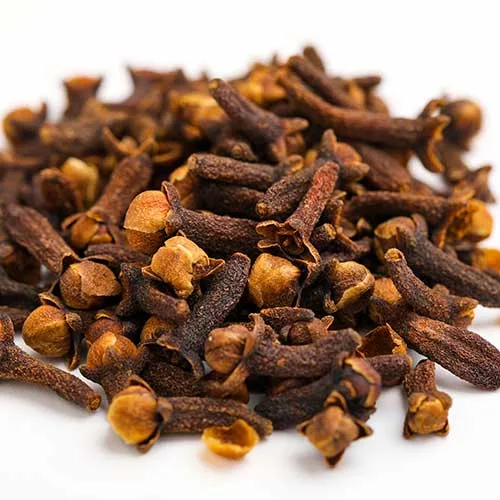
The flavor of cloves is warm, woody, and very sharp. When you add one or two cloves as a base to a tea, it adds a special depth and warmth to the flavor. Cloves make the best combination with almost any breakfast tea or specialized herbal teas. Cloves are rich in compounds good for oral and dental health that reduce gum inflammation, sore throats, or mild muscle aches.
#7 Black Pepper
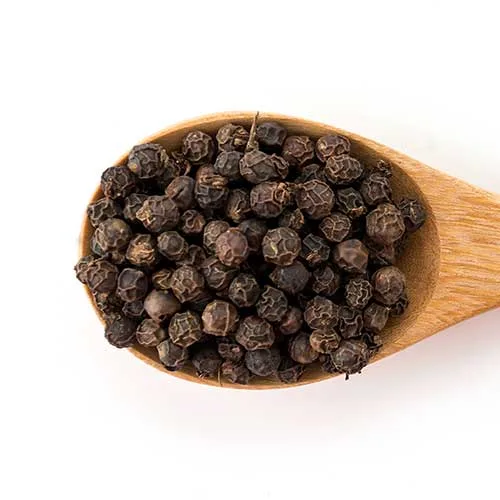
We all know black pepper as a staple spice in the kitchen, primarily used in cooking. But black pepper, with its active ingredient called Piperine, gives the tea a spicy flavor too. As a base herb, it makes a great combination with turmeric, ginger, cinnamon, and a variety of green teas. The Piperine in black pepper has anti-inflammatory properties and even increases the absorption of beneficial compounds from other herbs.
Conclusion
Herbs like ginger, cinnamon, cardamom, saffron, rose petals, cloves, and black pepper are great and flexible options as a base for your herbal tea. Each of these herbs, with their own unique flavor and aroma, enhances the quality of your tea and adds significant health benefits, such as reducing inflammation, being an antioxidant, or increasing the absorption of beneficial compounds.
When you add these herbs to your tea in a targeted and targeted combination, you can create an herbal drink that has both a balanced and appealing flavor and a real impact on your health. Plus, with a little experimentation, you can find your own unique and right combinations: combinations that exactly match your taste, your temperament, and your health goal.
Finally, if you plan to use these herbs regularly and therapeutically in your daily teas, it may be a good idea to consult a health professional to ensure the safety and effectiveness of the combination.
