
Cardamom Seeds 101: The Best Base Herb for Your Herbal Tea

Cardamom seed, scientifically known as Elettaria cardamomum is a well-known herbal tea and one of the most popular base herbs all over the world. It mainly comes from the humid forests of southern India and Sri Lanka. However, it has been cultivated in several tropical regions all over the world. Cardamom seeds have a warm aroma and a balanced taste, and go well with a lot of herbal teas, which distinguishes them from other plants used for brewing tea.
In this article, we will explore cardamom seeds in detail, which is the world’s oldest aromatic and medicinal plant and a popular herb for herbal tea lovers.
What is The Origin of Cardamom Seed?
Cardamom is one of the first spices to enter global trade, and its history dates back thousands of years, making it one of the oldest herb known to man. It first grew as a spice in the rainforests of southern India, and then spread through trade routes to the Middle East, North Africa, and Europe.
In Egypt, cardamom is used to freshen the mouth and prepare aromatic compounds. In ancient Greece and Rome, cardamom was also considered a valuable herb for perfumery and healing.
In Ayurvedic medicine, cardamom is a warm and balancing herb used to regulate the functioning of the digestive system. Over time, cardamom cultivation moved to countries such as Guatemala, and today, this country is one of the largest producers of cardamom in the world.
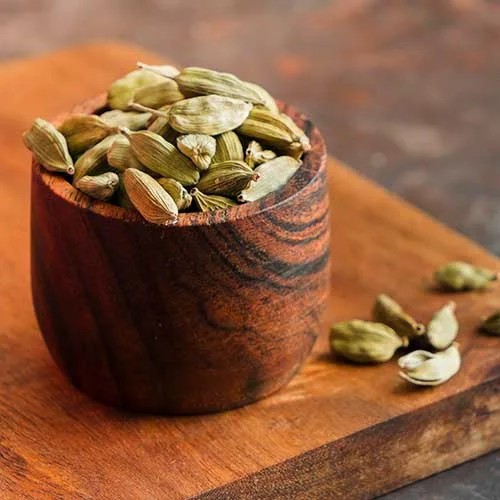
Cardamom comes in two types: black cardamom and green cardamom. Green cardamom is considered the highest quality type of cardamom and is treated as a luxurious herb and spice in many countries around the world.
What Are The Health Benefits of Cardamom Seeds?
Cardamom seeds contain active plant compounds that have positive effects on the health of the body. One of the most important benefits of cardamom is helping to improve the functioning of the digestive system. This herb helps reduce bloating, gas, and postprandial heaviness, which is why it is consumed after meals in many cultures.
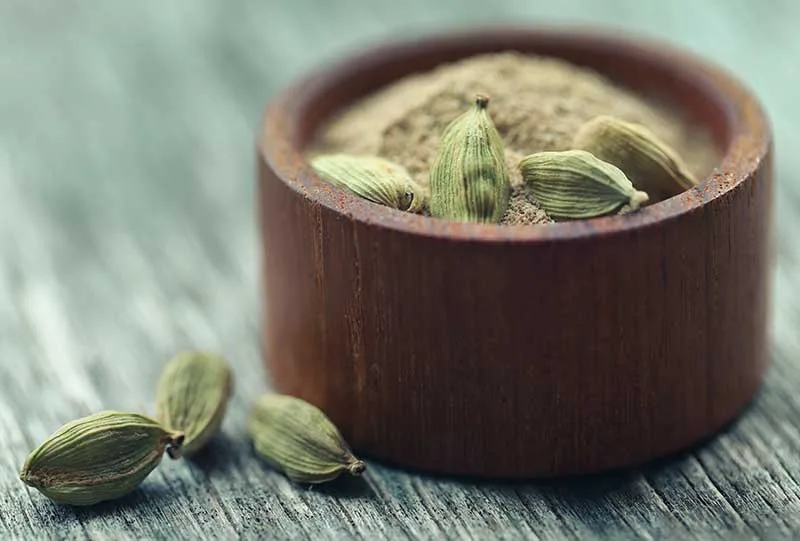
Cardamom also has antioxidant properties that help fight free radical damage. This property plays an important role in reducing inflammation and supporting cellular health. Some studies show that regular consumption of cardamom may help improve blood circulation, regulate blood pressure, and boost cardiovascular health.
Another benefit of cardamom is its antibacterial properties. This property has led to cardamom being used to freshen the mouth and reduce harmful oral bacteria, whether chewed as a seed or as a warm herbal tea.
Why is Cardamom The Best Base Herb for Any Tea?
Cardamom is an ideal choice for the base herb for many teas due to its balanced flavor and warm aroma. It is neither too bitter nor too sweet, and it is easily extracted with hot water. Cardamom is caffeine-free and can be consumed at any time of the day or night.
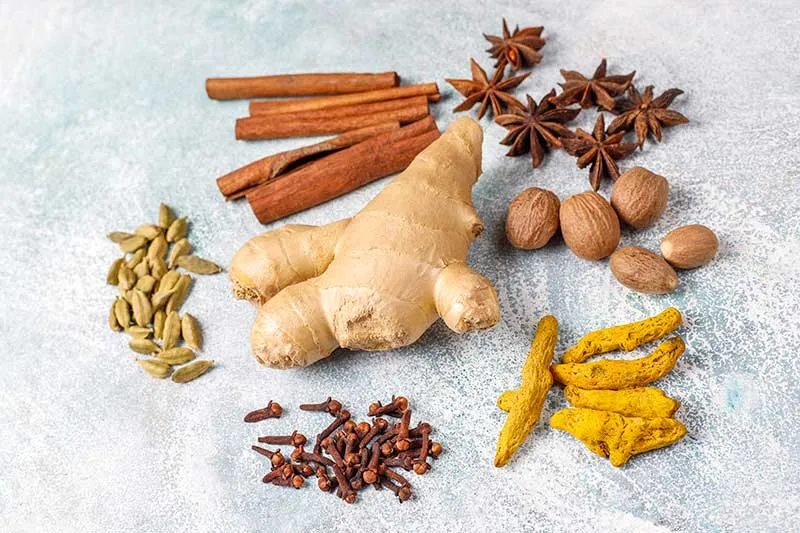
One of the important characteristics of cardamom is its high compatibility with other herbs. Cardamom has a dominant but balanced taste and can balance the taste of mixed herbal teas. Also, this herb helps in better digestion of other herbal ingredients and makes mixed herbal teas more palatable. That’s why many believe that cardamom is the best base ingredient that pairs with several herbal blends.
What Teas Pair Well With Cardamom Seeds?
As a base herb, cardamom blends well with many teas:
- Combining cardamom with ginger helps to enhance digestion and create a feeling of warmth in the body.
- Combining cardamom with peppermint creates a soothing and cooling tea that is suitable for reducing stress.
- Cardamom creates a warmer and slightly sweeter flavor next to cinnamon and is very popular for the cold seasons of the year.
- Adding cardamom to most green tea types makes its flavor milder and makes the drinking experience more pleasant.
- Combining cardamom with fennel is a good option for reducing bloating and improving digestion.
How to Make a Simple Cardamom Seed Tea?
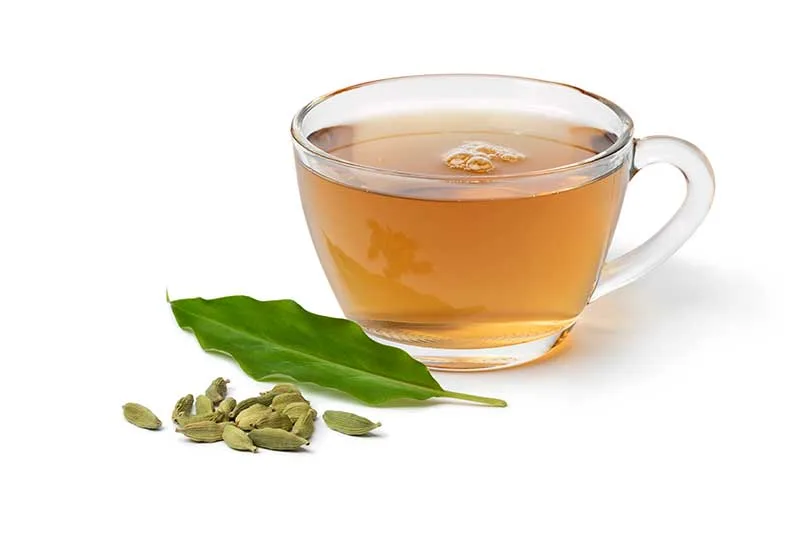
To make a simple and pure cardamom seed tea, follow my favorite recipe:
- Gently press 5 or 6 green cardamom seeds until they open and their aroma is released.
- Bring two glasses of water to a boil.
- Add the cardamom seeds to it.
- Let the tea brew for 7 – 10 minutes over low heat.
- Strain the drink.
If you like, you can enjoy your cardamom seed tea with a small amount of honey or a few drops of lemon juice. This tea has a warm, soothing, and balanced flavor and is suitable for daily consumption.
To enjoy cardamom as a base herb for other herbal teas, depending on the amount of tea you’re brewing, break open 1 – 5 cardamom seeds and drop them in the teapot.
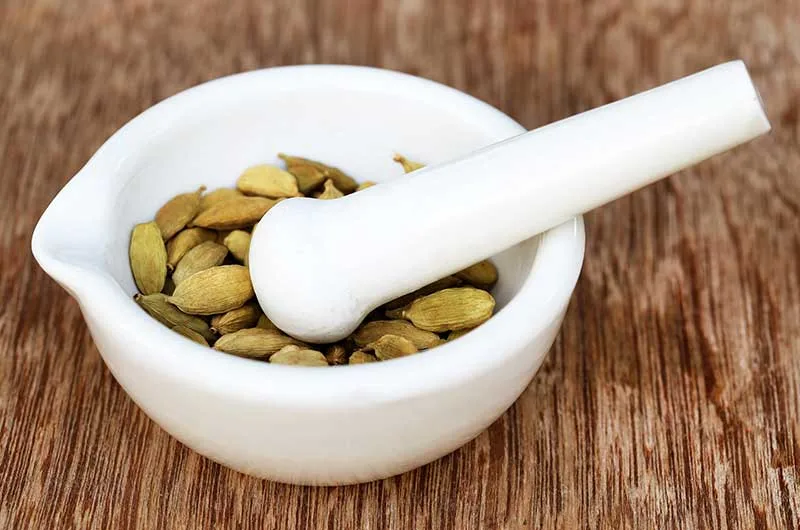
You can also crush cardamom seeds with a mortar and pestle or a spice grinder, but in this case, you should use 1 or 2, as crushed cardamom seeds release far more aroma and flavor into your herbal tea.
Conclusion
Cardamom seeds are one of the most complete and practical herbs for making herbal teas. This small herb, with its warm aroma and balanced flavor, works very well both alone and in combination with other herbs. Properties such as aiding digestion, reducing inflammation, supporting heart health, and improving oral health have earned cardamom a special place among herbal teas.
A simple cardamom tea is easy to make and, because it is caffeine-free, is a safe and calming option for daily consumption. In addition, cardamom is a flexible herbal base that allows for the creation of a variety of balanced teas. If you are looking for a safe, fragrant, and versatile herb for your teas, cardamom seeds are one of the best choices.
