
Green Tea Explained: Origin, Health Benefits, and Recipes

Green tea is one of the oldest and most popular healthy drinks in the world. Millions of people around the world drink it every day, and its health benefits and pleasant taste are almost obvious and known to everyone. Unlike black tea, which is processed for a long time and fermented, green tea is prepared with minimal processing; the leaves are dried quickly after harvesting to preserve their organic compounds and valuable antioxidants.
This preservation of its antioxidants makes green tea both beneficial for health and has a fresh and herbal taste. In addition to being an everyday drink, green tea is also an important part of the culture and lifestyle in many countries, such as China and Japan. Many people use green tea for mental peace, concentration, and to take care of their health.
In this article, we try to introduce you in detail to green tea and its types, as well as the history and traditional methods of brewing it.
Origin of Green Tea
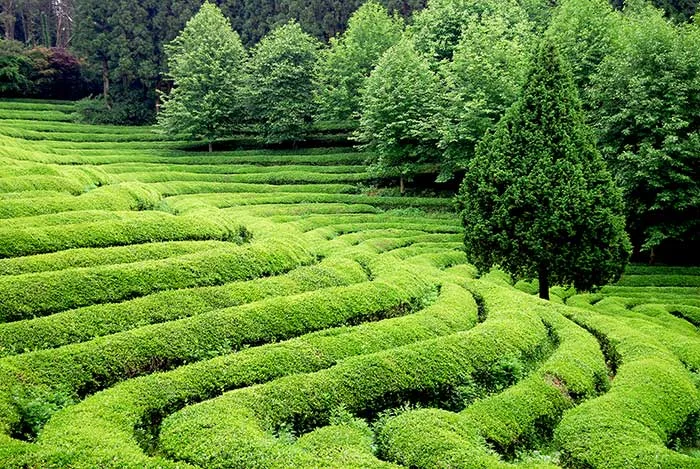
Green tea was first discovered in China, and it dates back about 5,000 years. The Chinese emperor Shennong discovered that the leaves of the plant, when steeped in hot water, produce a great drink. The plant is called Camellia sinensis, which is the basis of all types of tea, including black tea, white tea, oolong, and green tea.
Green Tea in Traditional Medicine & Cultures
In traditional medicine in Chinese and Japanese, green tea is an organic medicine and a healthy drink. Among its benefits are that it helps with digestion, increases energy, and calms the mind. Buddhist monks use green tea for concentration and meditation, and believe that drinking it helps with mental training.
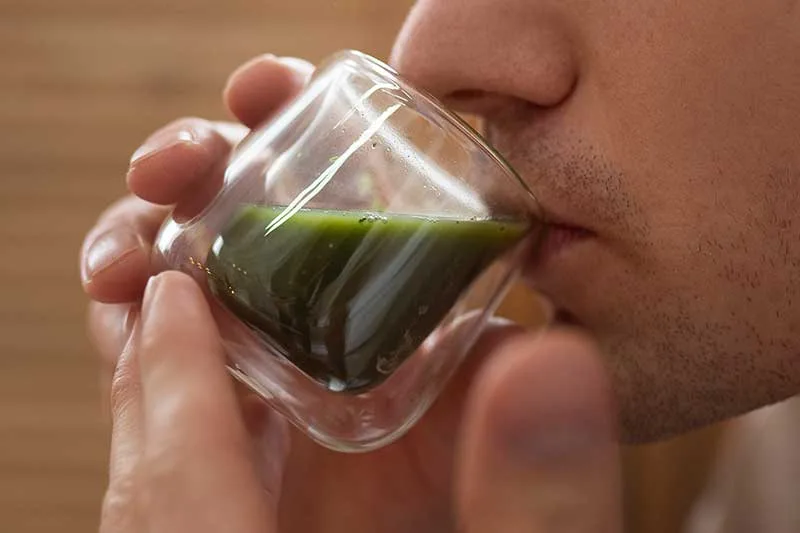
In Japan, drinking green tea is part of the art of living and meditation. The traditional tea ceremony shows respect for the guest, focusing on the present moment, and appreciating the simple beauties of life. In Chinese culture, green tea also has a special place in parties and everyday life, and drinking it is associated with peace and reflection.
What are the Health Benefits of Green Tea?
Green tea is rich in antioxidants called catechins that protect cells from damage. Regular consumption of green tea has the following benefits:
- Heart health: Helps reduce bad cholesterol, increase good cholesterol, and improve cardiovascular function.
- Weight control and metabolism: Increases body metabolism, reduces fat stores, and helps with weight loss.
- Mind focus and relaxation: A combination of caffeine and L-theanine that creates sustained energy and mental peace.
- Anti-inflammatory and cell protection: Reduce the risk of chronic diseases such as diabetes and high blood pressure.
- Skin and hair health: Antioxidants help reduce cell aging and improve skin condition.
- Reduce stress and strengthen the immune system: Regularly drinking green tea increases the body’s resistance to diseases and maintains peace.
These benefits are proven, and green tea is always recommended by nutrition and health experts as a healthy herbal drink.
Why is Green Tea Superior to Black Tea?
Green tea is an umbrella term for a range of herbal teas with various tastes, aromas, and brewing methods. Some varieties have a mild, grassy taste, while others are more fragrant and sweet.
Unlike black tea, which has a longer fermentation process, green tea is prepared with minimal processing. Its leaves are dried after harvesting. This rapid process ensures that the natural compounds and nutrients of the leaves are preserved. This drying style allows green tea to retain higher amounts of antioxidants, ingredients that strengthen the immune system and help improve overall health and wellness.
Most Popular Types of Green Tea
There are over 20 types of green tea out there, many of them distinctive, while others are special blends prepared by tea experts. However, among all the different types of green tea, 7 are very popular all over the world and are well-known among tea lovers.
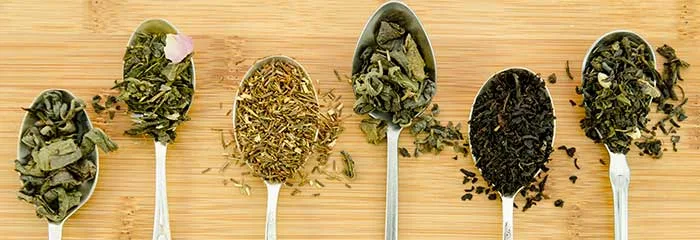
Let’s explore these 7 popular green teas one by one and see how to properly brew them for an ideal green tea-drinking experience.
#1 Matcha
Matcha is a very fine, green powder made from Camellia Sinensis leaves grown under shade for a few weeks before harvest. Matcha has deep roots in Japanese culture. Although the use of powdered tea first became popular in China in the 12th century, in Japan it has become an art ritual and a part of the Zen Buddhist meditation tradition.
Matcha is rich in antioxidants such as catechins and polyphenols. These compounds help support heart health, reduce inflammation, and balance blood sugar. It also contains caffeine and L-theanine, a combination that increases focus and keeps the mind alert but calm.
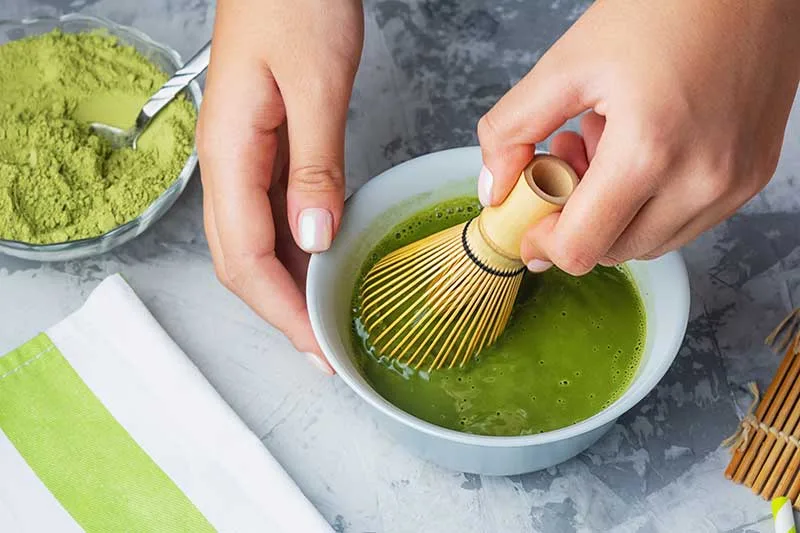
How to Brew Matcha Tea?
The traditional method to brew matcha tea is simple. But you need some specific teaware such as a special bowl called a Chawan, a bamboo whisk called a Chasen, and a bamboo spoon called a Chashaku. A simple Matcha tea kit provides you with all these specialty teaware.
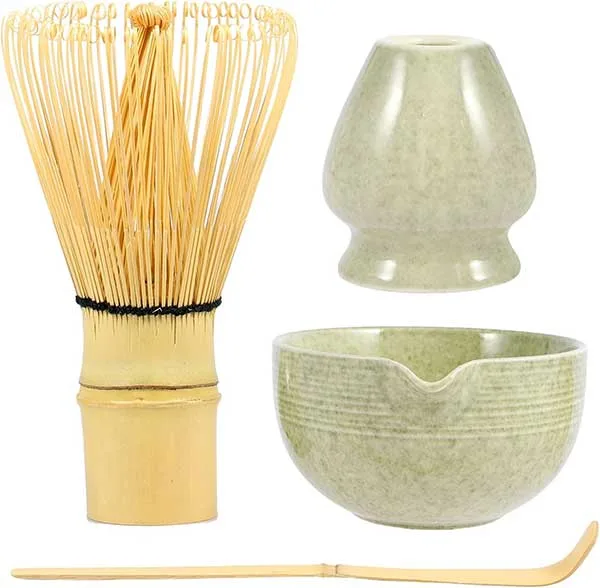
To brew matcha tea:
- Sift 1 to 2 teaspoons of matcha powder and pour it into a bowl.
- Boil 60 ml to 90 ml (1/4 to 1/2 cup) of water and leave it for 10 minutes until it reaches 80°C. Then pour it into the bowl
- Whisk the mixture in a W-like motion until it gets foamy. You can add a little more water to reach your preferred consistency.
#2 Gunpowder Tea
Gunpowder tea is a type of green tea prepared from the leaves of the Camellia sinensis plant. Its origin goes back to Zhejiang Province in China and the Tang Dynasty. The leaves of this tea are first steamed, then rolled into balls and finally dried. The grain-like shape of the leaves is similar to gunpowder of that time, hence the name. Gunpowder tea is one of the oldest types of Chinese tea and is still popular in many parts of the world.
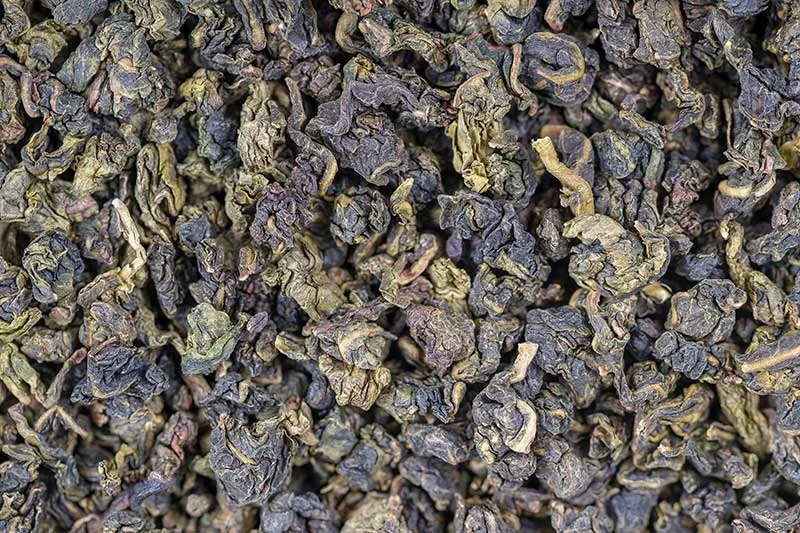
Gunpowder green tea is rich in antioxidants such as catechins and polyphenols, which boost heart health, increase metabolism, control weight, reduce inflammation, and strengthen mental focus. This tea has mild caffeine that provides stable energy throughout the day. If you’re a coffee drinker, gunpowder tea is a suitable alternative.
How to Brew Gunpowder Tea?
To brew gunpowder, all you need is a simple teapot, a cup, and water. Boil the water and let it cool for about 2 minutes until it reaches 80 degrees Celsius. Then, follow the simple steps below to brew a nice cup of gunpowder green tea:
- Pour about 1 to 2 teaspoons of tea leaves into the teapot or cup.
- Add 200 milliliters of hot water (equivalent to one cup).
- Let it steep for 1 to 3 minutes.
You can brew this tea a few times. Every time you brew the same batch of leaves, you will experience a new and different taste.
#3 Sencha
Sencha green tea, made from steamed leaves of the Camellia sinensis plant, is the most popular green tea in Japan. After harvesting, the leaves are steamed immediately to retain their vibrant green color.
This green tea has a fresh, herbal flavor and is served in most Japanese households, restaurants, and traditional ceremonies on a daily basis. Sencha is rich in antioxidants such as EGCG, which fight oxidative stress, promote heart health, boost metabolism, aid digestion, and reduce stress.
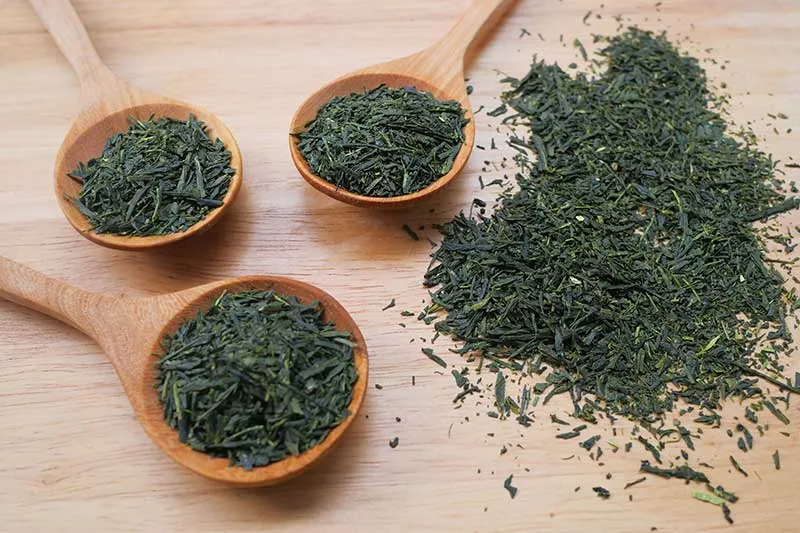
How to Brew Sencha Tea?
- Boil the water and set it aside until it reaches 70-80°C.
- Pour about 5 grams of tea leaves with 200 ml of water and steep for about 2 minutes.
Keep in mind that you will get a better taste if you warm the teapot and cups before brewing.
#4 Longjing
Longjing green tea, also known as Dragon Well, is considered one of the most famous green teas in Mainland China, and its origin is Hangzhou city in Zhejiang province. Longjing leaves are roasted by hand in special pans, which gives tea leaves a smooth shape and a sweet and roasted taste.
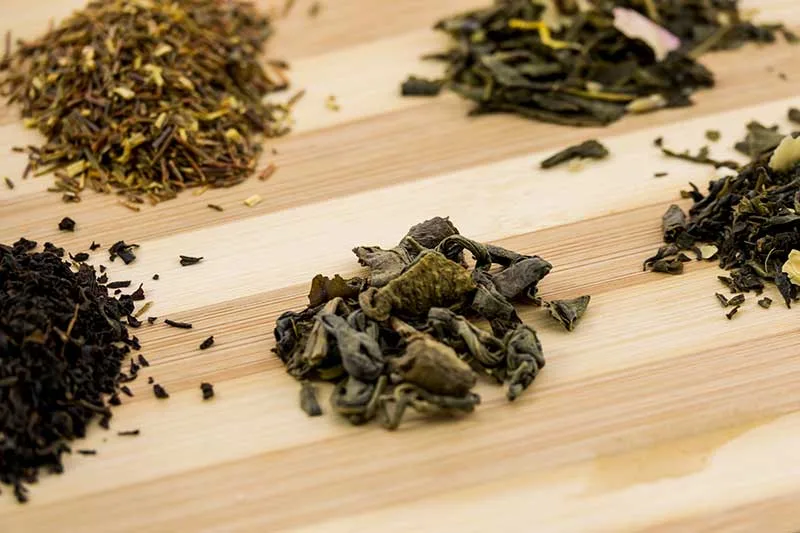
Longjing is rich in antioxidants, increases metabolism, and helps in weight loss. This tea helps you relax and calm after a stressful day, improves brain function, and has significant anti-inflammatory effects.
How to Brew Longjing Tea?
- Boil water to 75 to 80°C.
- Add 1 teaspoon of leaves to 200 ml of water.
- Let it brew for 1 to 2 minutes.
If you want a surprise taste from this tea, brew it multiple times.
#5 Jasmine Blend
Jasmine tea is one of the most fragrant green teas that originated in the Song Dynasty in China. Initially reserved for the royal family, it gradually became popular among the masses. In the perfume process, fresh jasmine flowers are placed on the tea leaves to absorb the aroma.
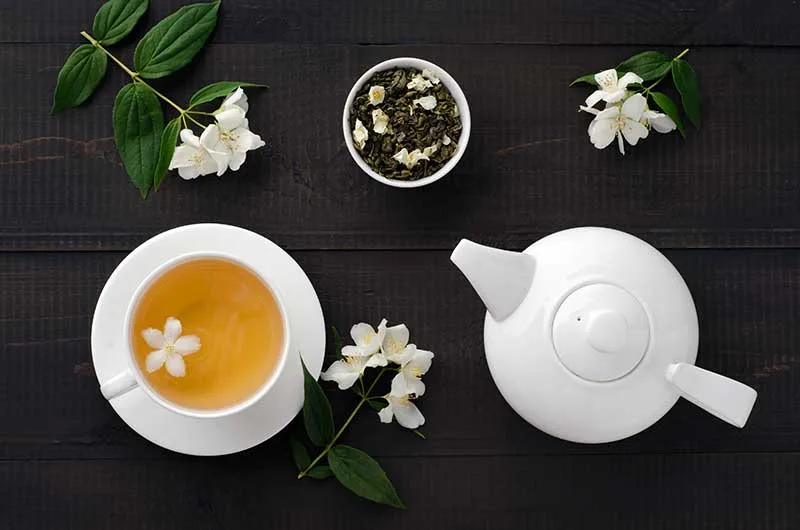
Jasmine tea contains antioxidants that protect cells from damage, reduce the risk of chronic diseases, and improve heart health. It also helps with weight loss and keeps you relaxed.
How to Brew Jasmine Tea?
- Boil the water and leave it until the temperature is about 70-80°C. It’s best to use purified or filtered water to keep the taste intact.
- Let the leaves steep for 2-3 minutes.
If you want a twist in the taste, add a lemon slice or a little honey.
#6 Hojicha
Hojicha green tea differs from other green teas. Instead of steaming, tea makers roast the leaves after harvesting. This process gives Hojicha tea a special, slightly smoky flavor. This green tea was first brewed in the 1920s in Kyoto, Japan, as a result of using leftover leaves.
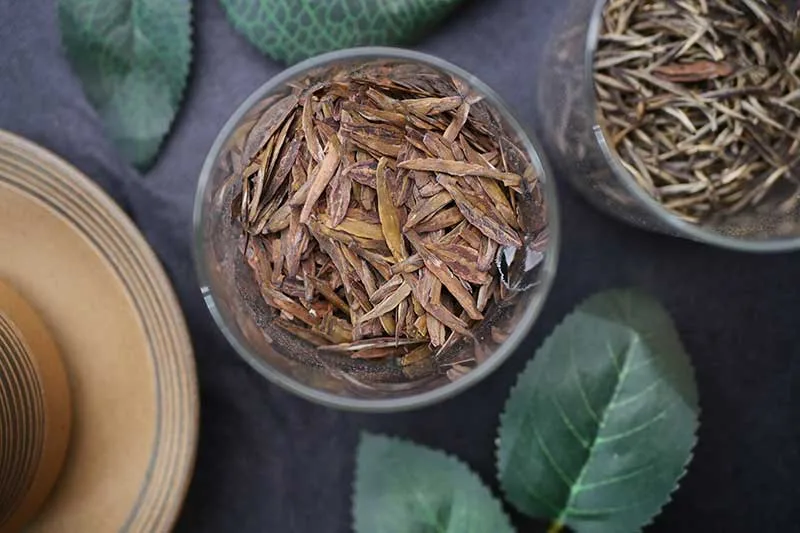
Hojicha has little to no caffeine and is a great option for an evening or bedtime tea. Its mild flavor aids digestion, soothes the stomach, and gives a sense of relaxation. Like other green teas, Hojicha tea is also rich in antioxidants that are beneficial for general health.
How to Brew Hojicha tea?
- Boil the water in a small pot and set it aside for 5 minutes.
- Add the leaves to the pot and bring the water to a boil.
- Boil the leaves for 1 to 2 minutes.
Similar to gunpowder tea, you can brew the same batch of leaves multiple times to experience different tastes and aromas.
#7 Gyokuro
Gyokuro is one of the finest and most distinctive Japanese green teas. First cultivated during the Edo period in the 1830s, its main difference from other teas is the way it is cultivated. Gyokuro leaves are grown in the shade for a few weeks before being picked. This method increases the chlorophyll in the plant and gives it the signature umami flavor.
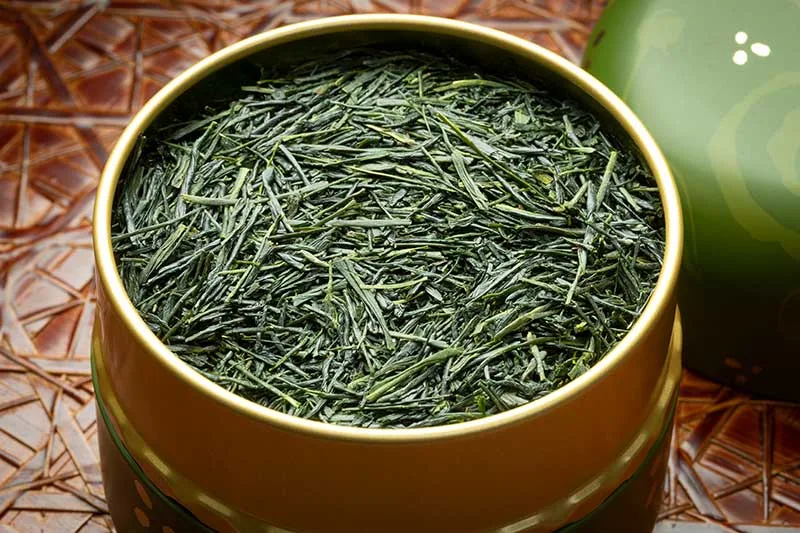
Gyokuro is rich in antioxidants, improves heart health, and its combination of caffeine and L-theanine improves focus and calms you down. The taste of this tea is mild, delicate, and pleasantly sweet.
How to Brew Gyokuro Tea?
- Use lower water temperatures to brew Gyokuro. This is around 60°C is ideal.
- Use about 2 teaspoons of dried leaves for every 180ml of water.
To get a perfect, clear brew, use a teapot with a fine strainer so that the leaves open well and the delicate flavor of this tea is fully revealed.
Conclusion
Green tea is far more than a simple beverage. It is a blend of history, culture, and wellness rooted in the leaves of Camellia sinensis. From ancient traditions in China to refined rituals in Japan, green tea has evolved into a symbol of balance and mindful living. Its wide variety of types, flavors, and brewing methods allows everyone to find a tea that suits their taste and lifestyle. With its rich antioxidants, calming effects, and cultural significance, green tea remains a timeless, natural choice for health, focus, and everyday enjoyment.
