
9 Herbal Teas to Treat Hangover After a Night of Partying

Have you ever felt like you woke up the next morning with a hangover after a night of partying? Common symptoms include headaches, nausea, dry mouth, lethargy, and a feeling of extreme fatigue. The body is dehydrated, inflamed, and depleted of minerals.
In such situations, the first thing many people do is drink a cup of coffee, but coffee is not always a good choice, as it sometimes dehydrates the body even more. One of the best and easiest ways to relieve hangover symptoms is to use herbal teas. Many herbs have anti-inflammatory, stomach-soothing, and body-balancing properties.
In this article, we will review effective herbal teas that reduce the unpleasant symptoms of a hangover after a night of partying.
#1 Ginger Tea
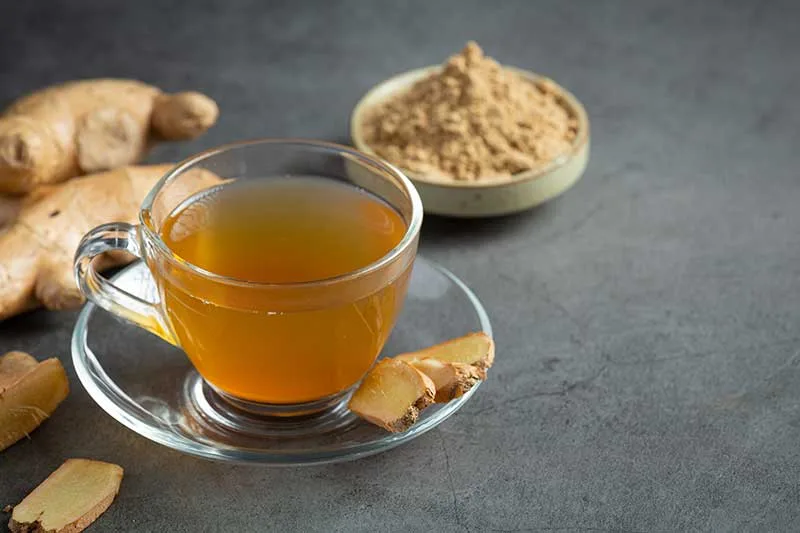
Ginger is the most famous organic remedy for nausea and stomach pain. This base herb, with compounds such as gingerol, reduces inflammation in the digestive system and reduces the feeling of nausea. If you have an upset stomach, nausea, or dizziness after a party, ginger tea is one of the best options. A few slices of fresh ginger or a spoonful of ginger powder are enough to calm the body in a few minutes.
#2 Peppermint Tea
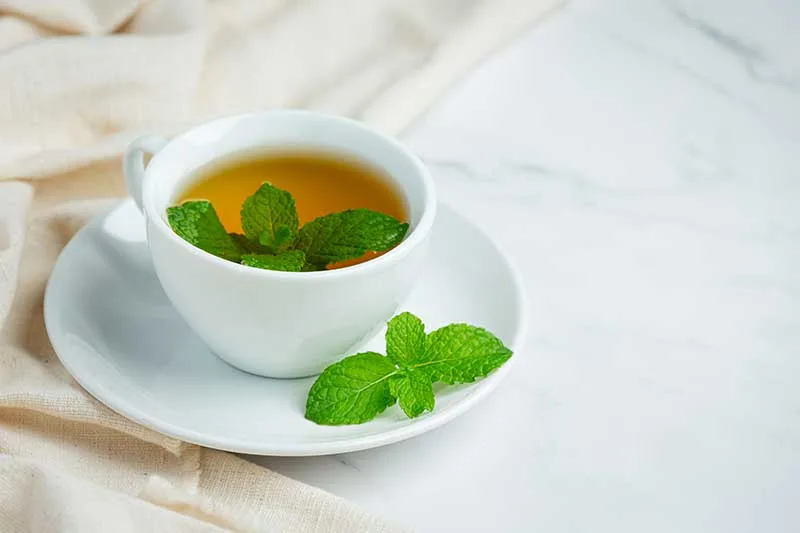
Peppermint is an herb that has the property of relaxing the muscles of the stomach and intestines. Peppermint tea is also very useful for alcohol-induced headaches. The menthol in mint relaxes tense muscles and makes breathing easier. After a night of drinking alcohol, which makes your stomach swell and causes headaches, a cup of peppermint is the best remedy and will help you sleep better.
#3 Chamomile
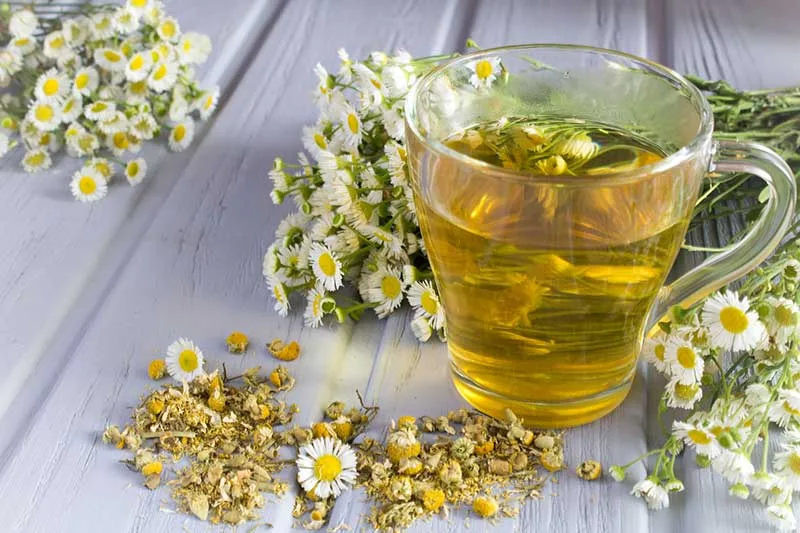
Insomnia after drinking alcohol is very common. Chamomile tea calms you down, reduces anxiety and physical tension. If you feel restless, have a high heart rate, or are anxious the morning after a party, chamomile tea is a great choice.
#4 Green Tea
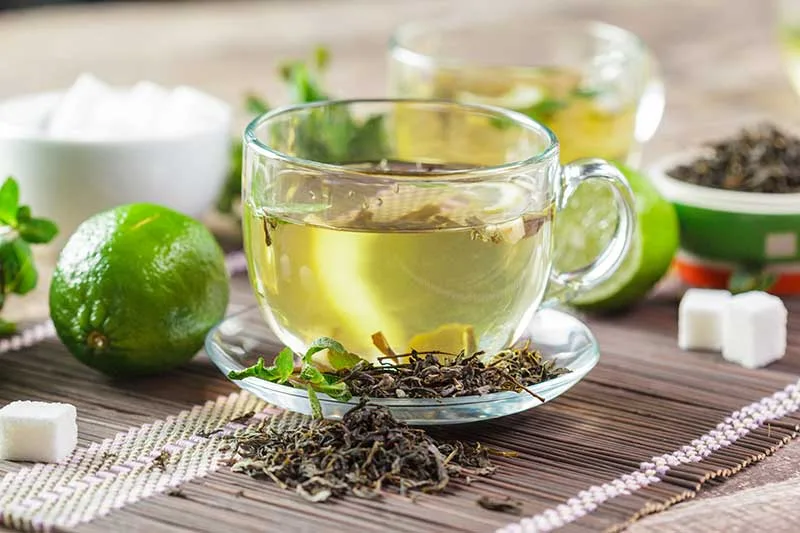
Green tea is rich in antioxidants that help the liver metabolize alcohol faster. If you feel heavy and tired but don’t want to drink coffee, green tea will give you an energy boost without a crash.
#5 Lemon Balm Tea
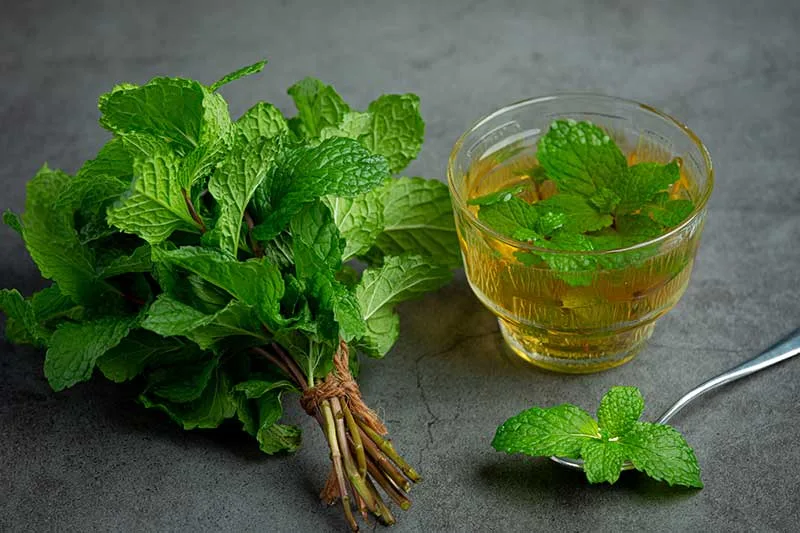
Lemon balm has a calming effect on the nervous system. After a night of partying, you may feel grumpy, anxious, or irritable. Lemon balm tea will help calm your mind and balance your mood.
#6 Turmeric Tea
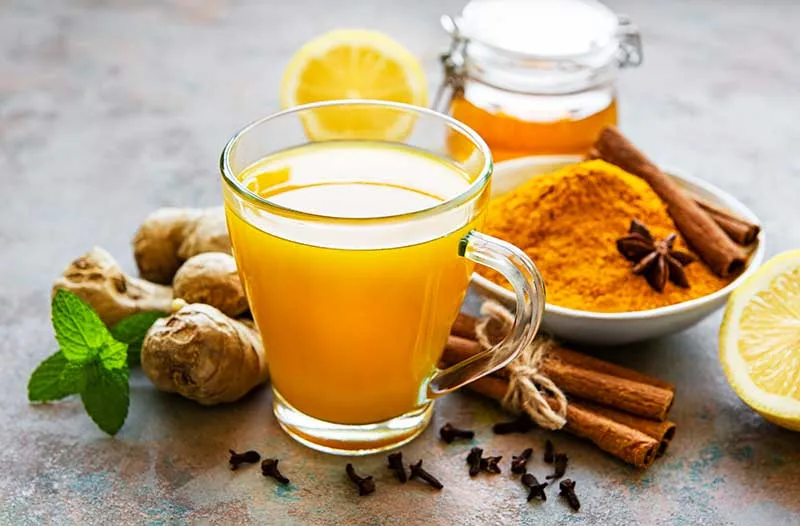
Alcohol is a major cause of inflammation in the body. Turmeric tea, which contains curcumin, has powerful anti-inflammatory compounds and helps reduce swelling, headaches, and body aches. If you drank too much the night before, a cup of turmeric tea will help you feel lighter.
#7 Fennel Tea

Some people experience severe bloating and gas after drinking alcohol. Fennel tea helps reduce intestinal spasms and improves digestion. If you feel fullness and your stomach is heavy, this tea is just what you need to drink.
#8 Dandelion Root Tea
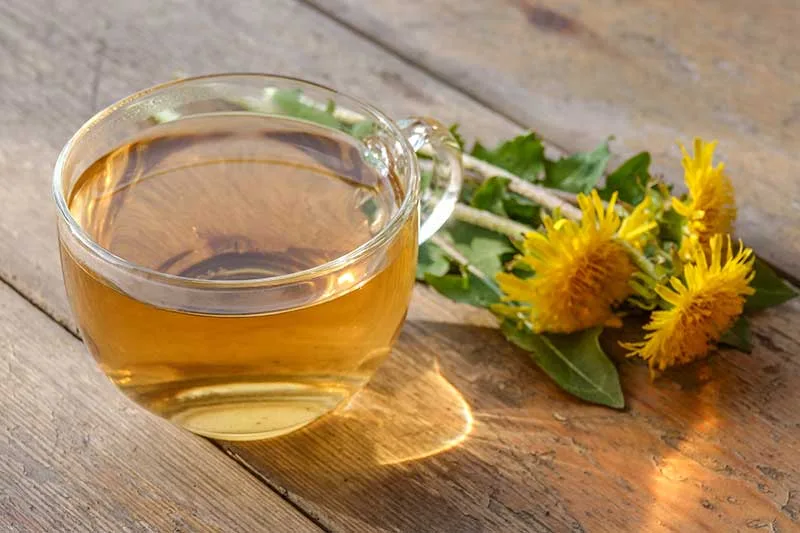
Dandelion root is one of the most famous liver cleansing herbs. After drinking alcohol, when the liver is under stress, dandelion root tea helps improve its function and reduces the feeling of heaviness and fatigue.
#9 Hibiscus Tea
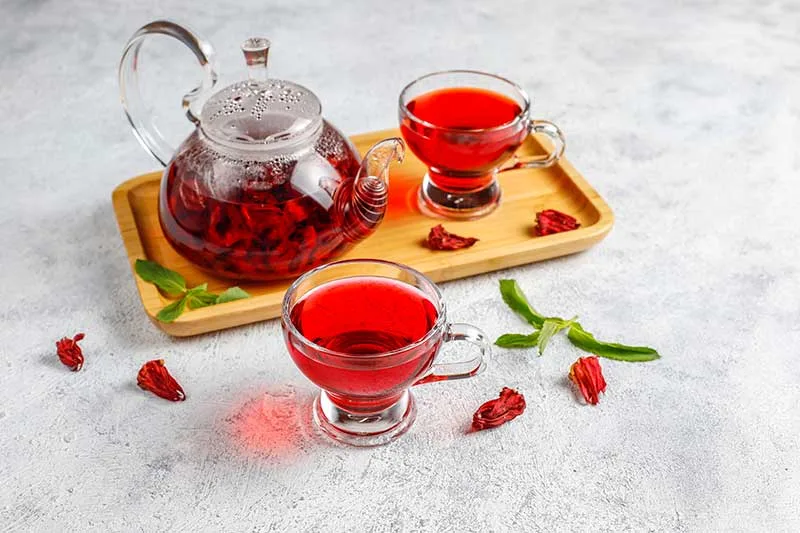
Hibiscus tea is rich in vitamin C and minerals and helps the body rehydrate. Alcohol dehydrates the body severely, and hibiscus tea helps restore water and electrolytes.
How Does Drinking Too Much Alcohol Impact Your Health?
Excessive and persistent alcohol consumption has serious and sometimes irreversible effects on physical and mental health. Over time, drinking too much alcohol damages the liver and increases the risk of fatty liver, liver inflammation, and cirrhosis.
In addition, alcohol can raise blood pressure, weaken the heart muscle, and increase the risk of heart attack and stroke. In terms of digestion, excessive alcohol consumption is often associated with heartburn, stomach ulcers, and impaired nutrient absorption. Alcohol also hurts the nervous system, causing anxiety, depression, sleep disturbances, and decreased concentration.

In the long term, alcohol dependence affects quality of life, social relationships, and mental health. For this reason, moderation in alcohol consumption or complete abstinence is one of the most important decisions to maintain overall health.
Conclusion
Overall, although herbal teas are a natural and effective way to reduce the unpleasant symptoms of a hangover after drinking alcohol, their role should not be confused with the main treatment. These teas help relieve nausea, headache, inflammation, anxiety, and dehydration, and reduce the strain on the digestive system and liver to some extent, but they do not completely compensate for the damage caused by excessive alcohol consumption.
The important point is that the use of teas should be conscious and balanced, as excessive consumption of medicinal herbs can also have side effects. Ultimately, the best way to maintain a healthy body is to reduce alcohol consumption or completely avoid it. Herbal teas play a supporting role, but a healthy lifestyle, drinking enough water, proper nutrition, and getting sufficient rest remain the most important factors for restoring and maintaining physical and mental health.
