
How Can Herbal Teas Help with Prostate Problems in Men?

The prostate is one of the most important glands in the male body, which plays a vital role in urinary system health and male fertility. The location of this gland is below the bladder, and with increasing age, especially after the age of forty, individuals are more likely to encounter problems such as benign prostatic hyperplasia, chronic inflammation, and sometimes prostate cancer.
Early awareness and regular care are very important in preventing the progression of diseases. According to doctors, middle-aged men who do not have severe symptoms should have periodic prostate examinations. However, in addition to conventional medical treatments, many people are looking for organic and low-complication methods for their health.
In this article, we will explore the role of herbal teas as a complementary method in helping men’s prostate problems.
Why is Prostate Health Important in Men?
Ignoring prostate problems over time causes serious disturbances in the quality of life. Persistent urinary problems, sleep disorders, pelvic pain, and even problems during intimacy are common consequences of prostate diseases. But early diagnosis of diseases such as prostate cancer increases the chances of successful treatment. For this reason, it is crucial to be aware of the symptoms and consult a doctor at the earliest opportunity.
When is it Time to See a Doctor?

Prostate problems like enlarged prostate glands often have one or multiple of the following symptoms:
- Frequent urination
- Difficulty starting or stopping urination
- Decreased urine flow pressure
- Pain or burning during urination
- Blood in the urine or semen
- Pain in the pelvic or lower back
If you experience these symptoms, it is necessary to see a urologist. Herbal teas and organic methods should only play a supportive role and are not a substitute for medical diagnosis and treatment.
How Can Herbal Teas Boost Prostate Health?
Medicinal plants contain active compounds such as polyphenols, flavonoids, and antioxidants that help reduce inflammation and oxidative stress in the body. Chronic inflammation is one of the factors associated with benign prostatic hyperplasia and pain. Some herbal teas also improve urine flow and relax the muscles around the bladder.
7 Herbal Teas That Help Prostate Health
Let’s explore 7 herbal teas that help maintain prostate health, reduce inflammation, and support urinary tract function in men.
#1 Green Tea
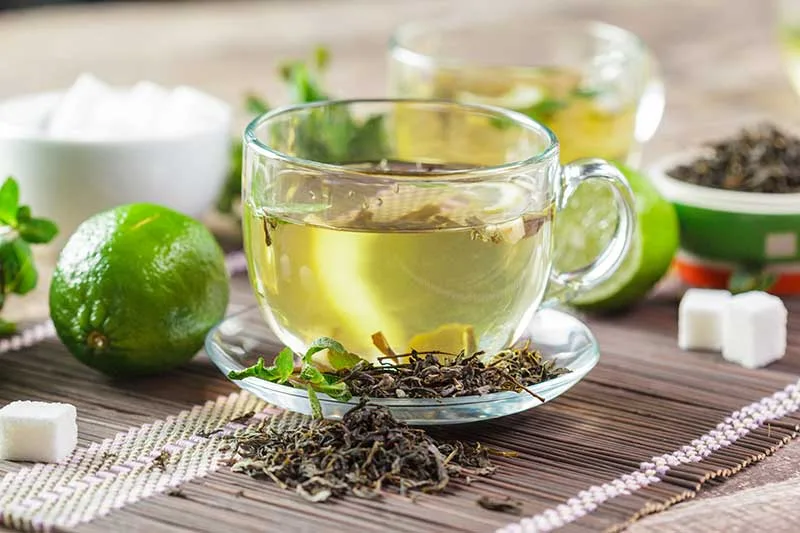
Green tea is rich in catechins and powerful antioxidants. Research shows that regular consumption of it helps reduce inflammation and inhibit the growth of abnormal prostate cells.
#2 Ginger Tea
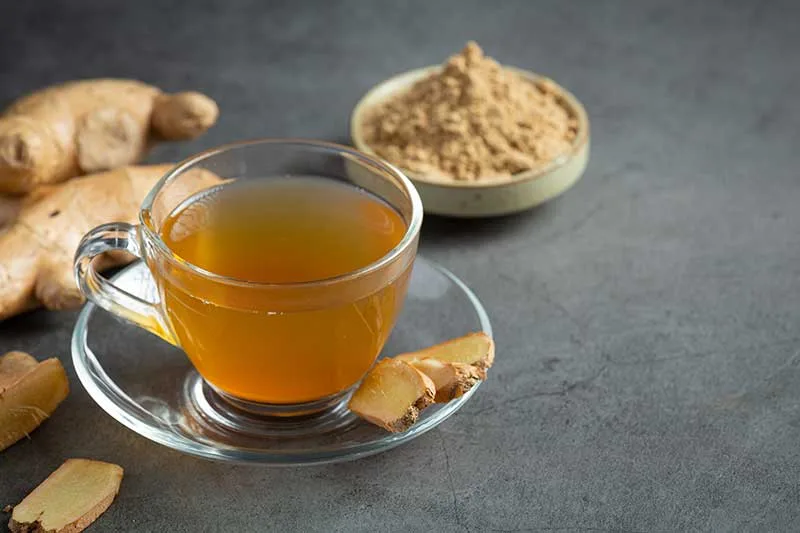
Ginger tea is known for its anti-inflammatory and antioxidant properties. Laboratory studies show that ginger compounds affect pathways related to prostate inflammation.
#3 Chamomile Tea
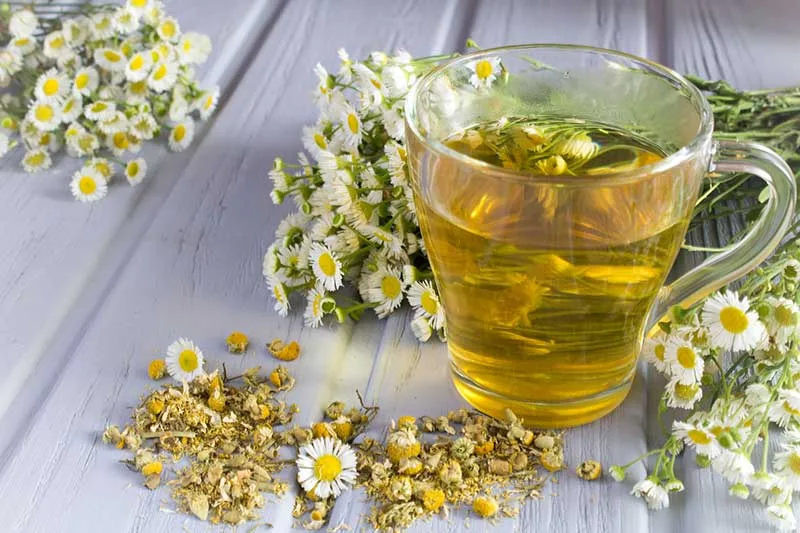
Chamomile tea is best known as a sedative herb, but it also has mild anti-inflammatory properties. Its consumption helps reduce stress and improve sleep quality, which is important for men with urinary problems.
#4 Stinging Nettle Tea
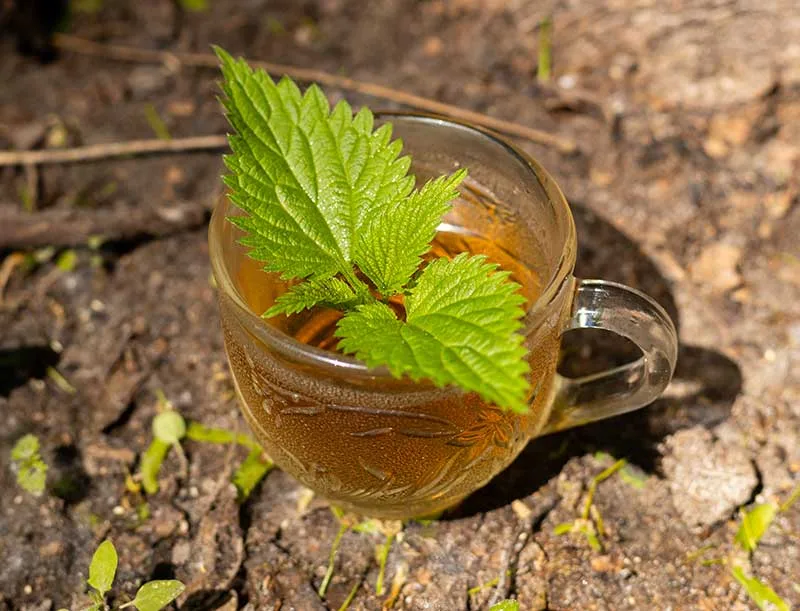
Singing nettle tea is used in traditional European medicine to improve urinary symptoms associated with prostate enlargement. Some evidence shows that nettle reduces urinary frequency.
#5 Pumpkin Seed Tea
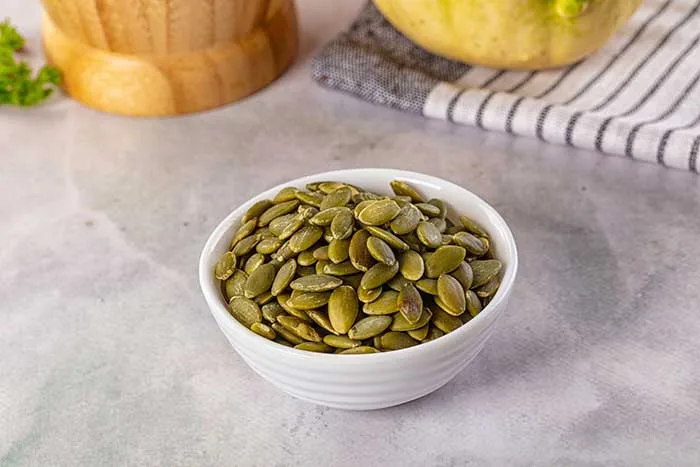
Pumpkin seed tea is a good source of zinc and phytosterols. These compounds help improve prostate function and reduce symptoms of benign prostatic hyperplasia.
#6 Turmeric Tea
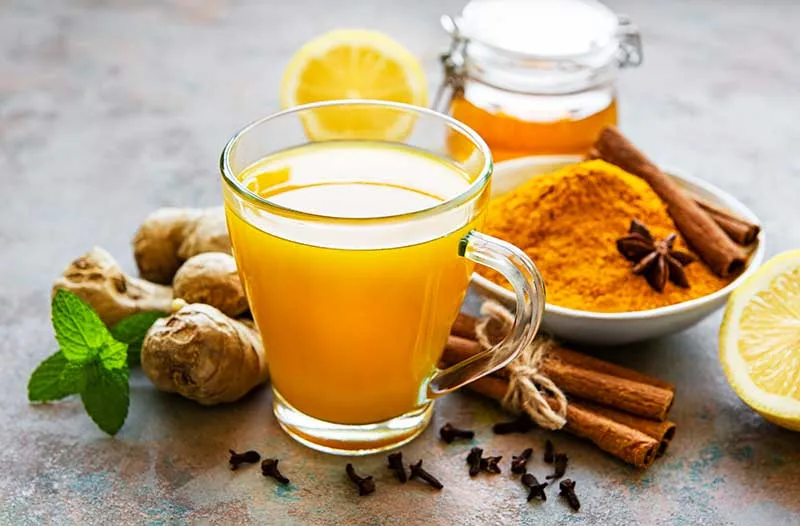
Curcumin, found in turmeric tea, has strong anti-inflammatory effects. Although human research is still limited, this compound is known to be an organic anti-inflammatory, helping with men’s prostate health.
#7 Herbal Blends
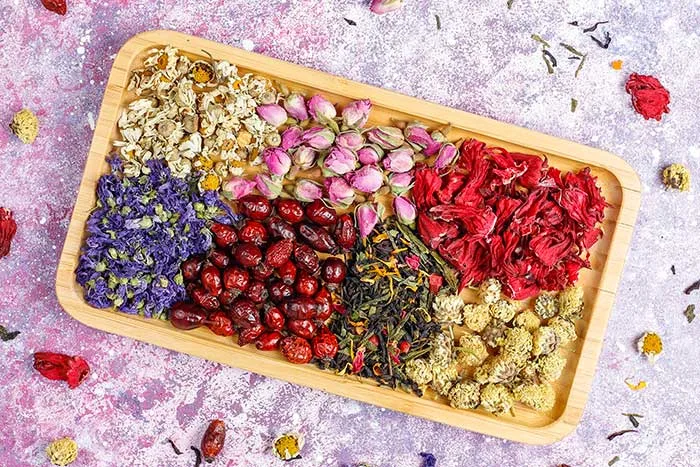
Herbal blends often contain several herbs that reduce inflammation and boost the immune system. Scientific evidence is still inconclusive about their direct effects on the prostate. However, they can help with urination and flow, which will relieve the pressure off the bladder muscles.
Important Safety Tips
Consuming herbal blends should be done with caution. Some herbs may interact with medications or may not be suitable for certain people. Men taking prostate-related medications, hormone therapy, or blood thinners should consult a doctor before regularly consuming herbal blends.
Conclusion
Prostate health is an important pillar of men’s health in middle age and older. Paying attention to early symptoms, getting regular checkups, and following medical advice can prevent serious problems from developing. Along with these essential measures, herbal blends should be used as a complementary strategy to reduce inflammation, improve urinary symptoms, and increase quality of life.
Green tea, ginger, chamomile, nettle, pumpkin seeds, and turmeric are among the herbs that have received the most attention due to their active ingredients. However, it should be emphasized that these herbal teas are not a definitive cure and should not replace medical treatment. Conscious, balanced consumption and consultation with a doctor help men enjoy the potential benefits of these natural beverages without putting their health at risk.
