
The Delicate Art of Tea Brewing Time: How Long to Steep?

The process of brewing traditional black tea or herbal tea seems easy. But in reality, it has tricks and techniques that you must follow to brew an ideal tea. Some people think that making tea means steeping a teabag or some dried tea leaves in boiling water for a few minutes. But the truth is far from a simple brewing method.
One of the most important factors that we should pay attention to when making any herbal tea is the brewing time. Brewing time has a direct relationship with the taste, aroma, and even the release of beneficial compounds of herbal teas, similar to the amount of tea leaves you brew.
Brewing tea, like cooking, is a delicate art. If you steep more or less, the result will be either a bitter or tasteless cup of tea. Various health researchers and tea lovers emphasize that beneficial compounds such as antioxidants, aromatic oils, and active ingredients enter the water within a certain time frame. If we do not pay attention to this time frame, the balance of taste and quality will be lost.
In this article, we will answer why brewing time is important and what the ideal brew time is for several popular herbal teas.
Why Does Brewing Time Matter?
When a dried herb, leaf, flower, or root comes into contact with hot water, a process called extraction begins. During this process, beneficial and flavorful compounds are released from the plant and into the water. These compounds include antioxidants, flavonoids, natural oils, and other nutrients.
But the important thing to note is that not all of these compounds are released at the same rate:
- Steeping too short (Understeeping): only a small portion of these compounds will make it into the drink.
- Steeping too long (Oversteeping): some unwanted compounds will be released that will ruin the flavor or make the drink too strong.
That’s why herbal tea experts always emphasize precise brewing times for ideal flavor, aroma, and, of course, health benefits.
What Happens if You Understeep?
Understeeping is one of the most common mistakes we make when brewing herbal teas, especially when we’re in a hurry. When underspteeped:
- The tea is flavorless and tastes too watery.
- The aroma of the plant doesn’t release properly.
- Many of the beneficial compounds don’t have a chance to escape the plant.
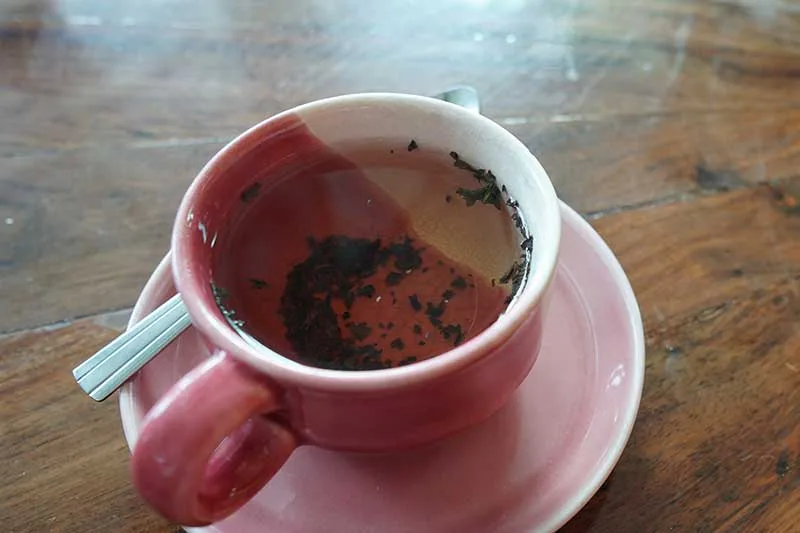
For example, if chamomile is steeped for only 2 minutes, it will be more like warm water with a faint scent than a truly relaxing tea. Most herbal teas need at least 5 minutes to reveal their true character.
What Happens if You Oversteep?
Oversteeping is just as problematic. In many traditional teas, like morning or afternoon black teas, oversteeping releases too much Tannins, creating a bitter, dry taste. In herbal teas, although there are less Tannins, over-brewing can cause the following:
- The taste becomes too strong, sharp, or unpleasant.
- Some teas can taste earthy or bitter.
- The drink becomes off-balance.
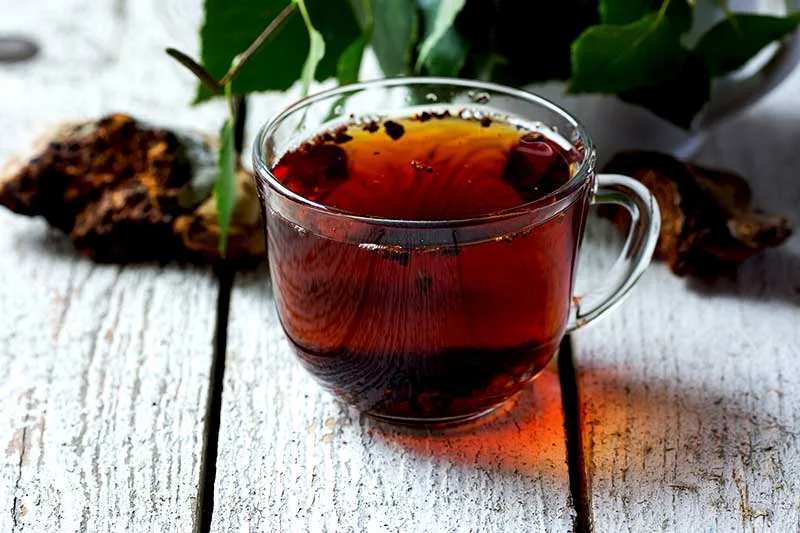
For example, peppermint, if brewed too long, may develop an annoying pungency that is not pleasant for most tea drinkers.
Herbal Tea Ideal Brewing Time Cheatsheet
The table below, the cheatsheet I prepared over the past few years, shows the ideal brewing times for several popular herbal teas. The important thing is that herbal teas are more flexible than black tea, but following my ideal brewing time cheatsheet results in the best balance between flavor, aroma, health benefits, quality, and a pleasant tea-drinking experience.
| Herbal Tea Name | Ideal Brewing Time | Ideal Water Temperature |
|---|---|---|
| Green Tea | 2 to 3 minutes | 70 to 80 °C |
| Peppermint Tea | 5 to 7 minutes | 95 to 100 °C |
| Chamomile Tea | 5 to 7 minutes | 95 to 100 °C |
| Ginger Tea | 5 to 10 minutes | 95 to 100 °C |
| Hibiscus Tea | 5 to 7 minutes | 95 to 100 °C |
| Rooibos Tea | 5 to 8 minutes | 95 to 100 °C |
| Lemongrass Tea | 5 to 10 minutes | 95 to 100 °C |
| Lavender Tea | 4 to 6 minutes | 90 to 95 °C |
| Fennel Tea | 5 to 7 minutes | 95 to 100 °C |
| Licorice Root Tea | 5 to 7 minutes | 95 to 100 °C |
| Dandelion Root Tea | 7 to 10 minutes | 95 to 100 °C |
| Sage Tea | 4 to 6 minutes | 90 to 95 °C |
| Thyme Tea | 5 to 7 minutes | 95 to 100 °C |
| Stinging Nettle Tea | 5 to 10 minutes | 95 to 100 °C |
| Tulsi Tea (Holy Basil Tea) | 5 to 8 minutes | 95 to 100 °C |
| Rosehip Tea | 5 to 10 minutes | 95 to 100 °C |
| Lemon Balm Tea | 5 to 7 minutes | 90 to 95 °C |
| Echinacea Tea | 5 to 10 minutes | 95 to 100 °C |
| Cinnamon Tea | 10 to 15 minutes | 95 to 100 °C |
| Ginseng Tea | 5 to 10 minutes | 90 to 95 °C |
Keep in mind that brewing time in this cheatsheet is mostly for loose-leaf teas. For teabags, check the instructions on the package as each brand of tea has a specific brewing time. Also, this cheatsheet is not ideal if you’re on a flight. Water boils at lower temperatures at high altitudes, resulting in a bitter taste. Follow my guide on how to improve your tea drinking experience on an airplane for more information.
A Few Simple Tips for Better Brewing
- Always use fresh water.
- Cover the tea while brewing to prevent the aroma from escaping.
- Strain the herb from the water after the brewing.
- If you like a stronger flavor, increase the amount of herb, not the brewing time.
Conclusion
Stewing time is the heart of the tea and herbal tea drinking experience. It may seem simple, but those few minutes can be the difference between a regular drink and a truly relaxing cup. If the tea is brewed too short, its flavor and properties will not be complete, and if it is brewed too long, it will become bitter. Respecting the right amount of time means respecting the herb itself and its organic compounds.
Reliable guides suggest that most herbal teas are best brewed with boiling water and a steeping time of at least 5 minutes. Of course, personal taste is important, but knowing the basics helps you make an informed choice. By using the suggested brewing times, you can create a flavorful, balanced, and enjoyable tea every time, a cup that does exactly what you want it to do.
