
Loose Leaf Tea vs. Teabag: Flavor & Nutrient Comparison

If you have ever stood in a grocery aisle wondering whether to grab a box of teabags or invest in loose-leaf tea, you are not alone. One of the common questions that tea enthusiasts say when they are comparing the two types is the quality of the tea. Many tea lovers think that loose-leaf tea has a pleasant experience, full of color and aroma, and is healthier, while teabags are quicker, widely available, and easier to use, especially when traveling.
But does the choice between these two types of tea depend only on individual taste, or are there real differences between the two in terms of taste and nutrient?
In this article, we aim to answer this question by reviewing scientific research and personal experiences.
#1 Leaf Structure
One of the most important differences between loose-leaf tea and teabags is the structure of the leaves and their processing. When loose leaves unfurl in hot water, it is similar to how spices bloom in oil, slowly releasing layers of aroma.
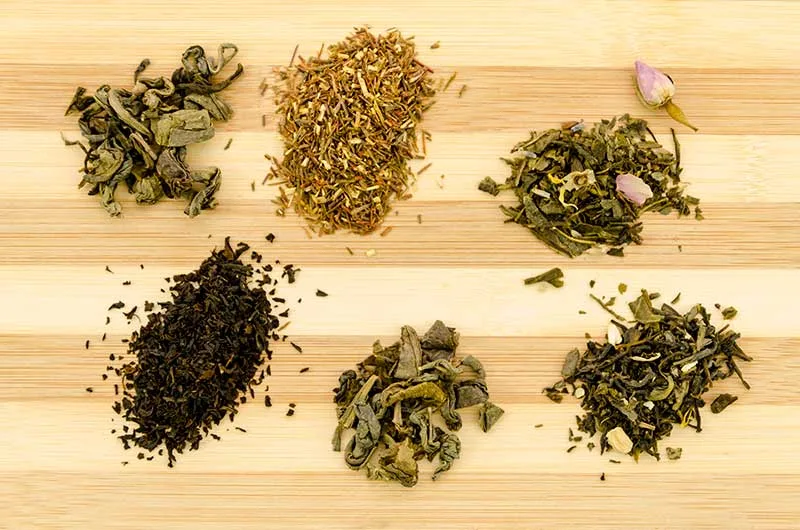
On the other hand, teabags are made from fanning and fine tea leaf pollen, which are finely ground pieces that have lost most of their oils and aromatic compounds during processing.
This subtle difference in structure allows the compounds in Loose-Leaf tea to dissolve freely in water during steeping and release slowly. In contrast, in teabags, the limited space in the bag prevents this from happening.
#2 Tea Flavor
Tea flavor comes from the volatile compounds and organic oils in the tea leaves that are released into the tea by hot water. In loose-leaf tea, the leaves are loosely unfolded to their natural size, delivering a layered, complex flavor and aroma with each steep offering a deeper, richer flavor. In taste tests, people reported richer and a longer presence of flavor and aromas in loose-leaf tea.
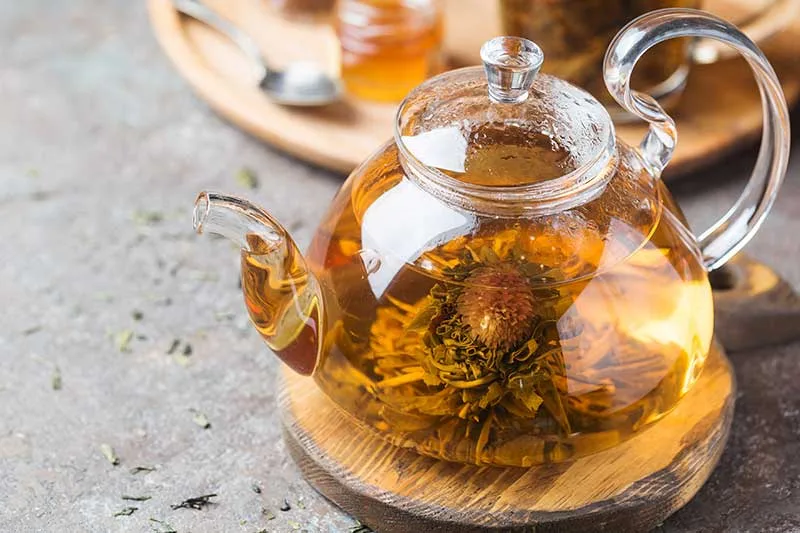
In contrast, teabags with their fine particles release more bitter tannins because the surface area in contact with the water is much greater. Therefore, the rapid extraction of flavor feels one-dimensional and fleeting, slightly bitter, and lacking the complexity of multiple flavor notes. That is why some people describe teabags as tasting flat after the first sip.
#3 Nutrients & Antioxidants
Tea is known for its health benefits and organic compounds such as catechins, flavonoids, L-theanine, and other antioxidants. They reduce inflammation, improve focus, and support heart health.
Studies report that loose-leaf tea offers higher levels of antioxidants such as EGCG, flavonoids, and L-theanine, which are organically preserved in whole leaves, due to the leaf structure. On the other hand, teabags lose some of these beneficial compounds due to the crushing of the leaves and increased surface area exposed to air during storage.
In some comparisons, the amount of antioxidants in loose-leaf tea is up to 20–60% higher than in teabags, which has a significant impact on the nutritional value of your cup of tea.
#4 The Role of Brewing & The Kinetics of Nutrient Extraction
The shape and size of the tea leaf not only affect the amount of nutrients released, but also determine the brewing method and control of the process. Loose-leaf tea allows the leaves to have enough space to open up and come into uniform contact with the water, which also allows for a more controlled extraction of aromatic and beneficial compounds.
However, in teabags, the closed space and the shape of the teabag increase the rate of release of compounds, which causes the flavor to be extracted earlier than usual, beyond the desired point, and even becomes bitter.
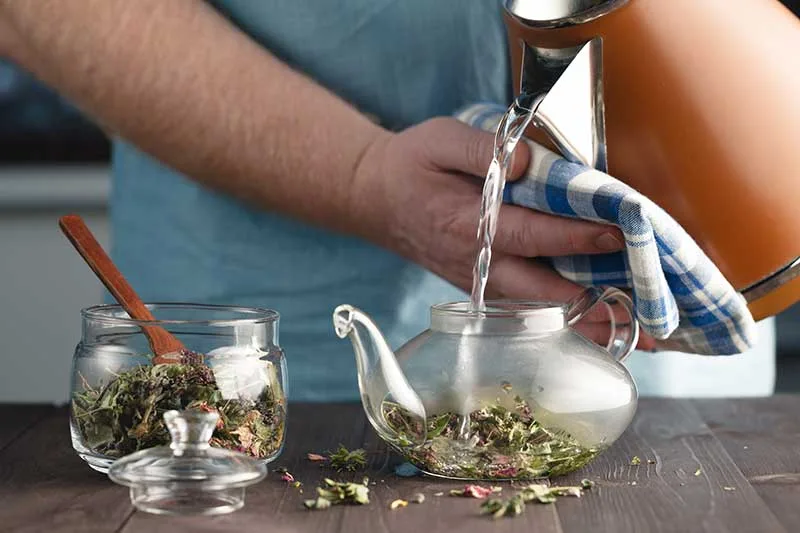
Therefore, many tea enthusiasts recommend using proper brewing equipment, such as glass teapots with a strainer or stainless steel filters, when using loose leaf tea to get the most flavor and benefits.
#5 Economic Value & Environmental Sustainability
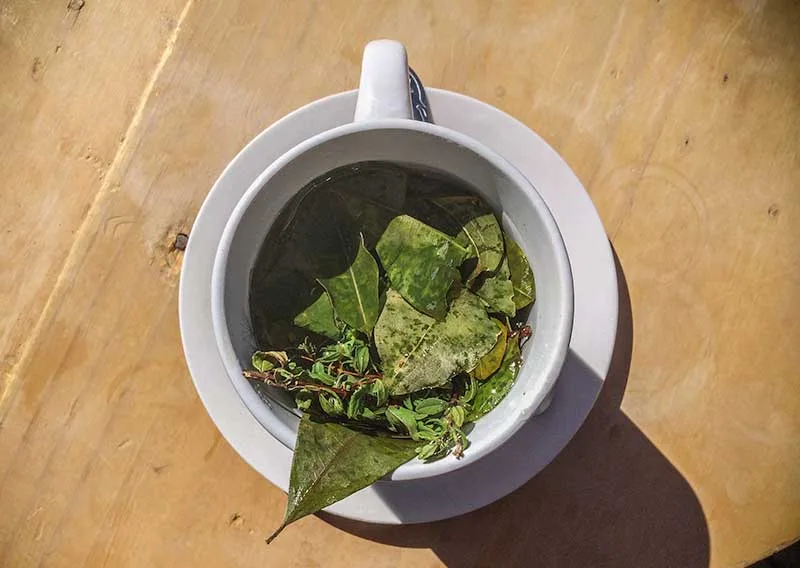
While loose-leaf tea is more expensive initially, it is more cost-effective in the long run in terms of real value. Whole leaves are reusable, meaning you can use the same amount of leaves for multiple cups, while teabags are disposable. Even afterwards, you can use steeped tea leaves for other purposes, like strengthening garden soil.
However, many teabags use packaging materials including non-biodegradable plastics or adhesives, which both have a negative impact on the environment and release microplastics when exposed to hot water. Loose-leaf tea, on the other hand, is often packaged in recyclable packaging or protective foils, which have a lower environmental impact.
Conclusion
The choice between loose-leaf tea and tea bags is more than a matter of taste; it is an informed decision about taste quality, nutrient efficiency, and lifestyle. Loose-leaf tea, with its whole leaves and free space to steep, offers a deeper aroma, more complex flavor, and higher levels of beneficial compounds like antioxidants. On the other hand, tea bags are appealing for their ease and lower cost in everyday use, but they are inferior in flavor and nutritional value compared to loose leaf.
