
Rosemary Tea 101: A Common Herb You Can Use Beyond Cooking

Rosemary is a fragrant, green herb widely used in Mediterranean cooking, and its value extends beyond just being a spice. When we hear the name rosemary, we think of chicken or steak with mushroom sauce and mashed potatoes.
But this small plant plays a role in calming the mind, improving digestion, and increasing daily focus. Rosemary tea is very easy to brew. It has a pleasant aroma and a slightly spicy flavor. It creates a sense of calm in moments when you are tired or anxious.
In this article, we will explore the origin of rosemary and its benefits, and how to brew it properly.
The Origin and History of Rosemary
Rosemary is a type of plant native to the Mediterranean region that dates back thousands of years. The Greeks and Romans used this plant in religious ceremonies as well as in cooking.
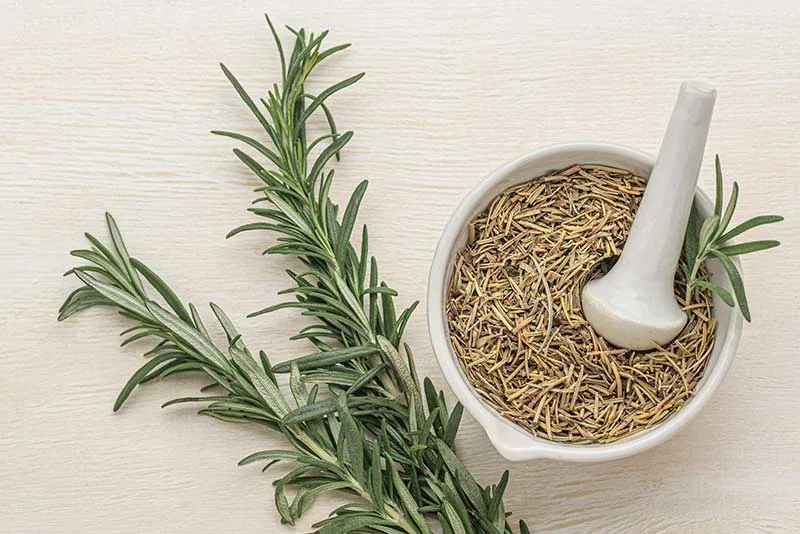
Also in the Middle Ages, European monasteries and gardens used rosemary as medicine and to scent the air. Today, rosemary grows in most parts of the world with a mild climate. The rosemary plant has many fans in both cooking and making tea.
Health Benefits of Rosemary
Many of the health benefits of rosemary tea are based more on experiences and evidence than on scientific articles. However, science is beginning to back all the health claims. Many believe they feel more relaxed and focused after drinking rosemary tea. They also say the same when they inhale the natural scent of rosemary. Its scent refreshes the mind and boosts concentration.

Rosemary is also very helpful for digestion and absorption. Many say that after heavy meals or days when the stomach is a little upset, a cup of rosemary tea creates a light feeling and is wonderful. After drinking rosemary tea, bloating is reduced, and the stomach works more calmly.
In the times when you feel stressed out or are experiencing mental fatigue. The warmth of the tea and the aroma of the rosemary create a sense of relaxation after a long evening or a busy day. And last, one of the benefits of rosemary I personally rely on is its effect in preventing hair loss and boosting hair regrowth.
How to Brew Rosemary Tea?
Brewing rosemary tea is very simple. You can prepare a classic cup of rosemary tea in two ways:
- Dried leaves
- Fresh rosemary leaves on a stem
Brew Rosemary Tea with Dried Leaves
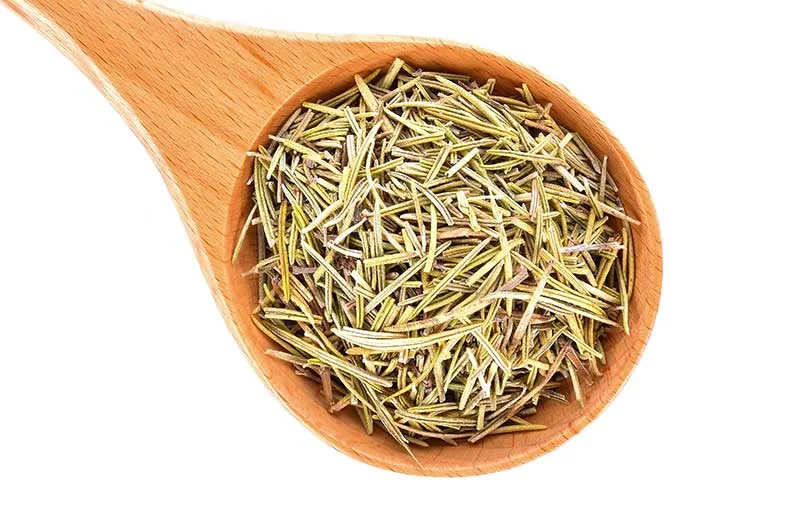
- Pour 1 teaspoon of dried leaves into a cup or small teapot.
- Add a cup of boiling water and let it brew for 5–8 minutes.
- Strain and drink.
Brew Rosemary Tea with Fresh Leaves on Stems
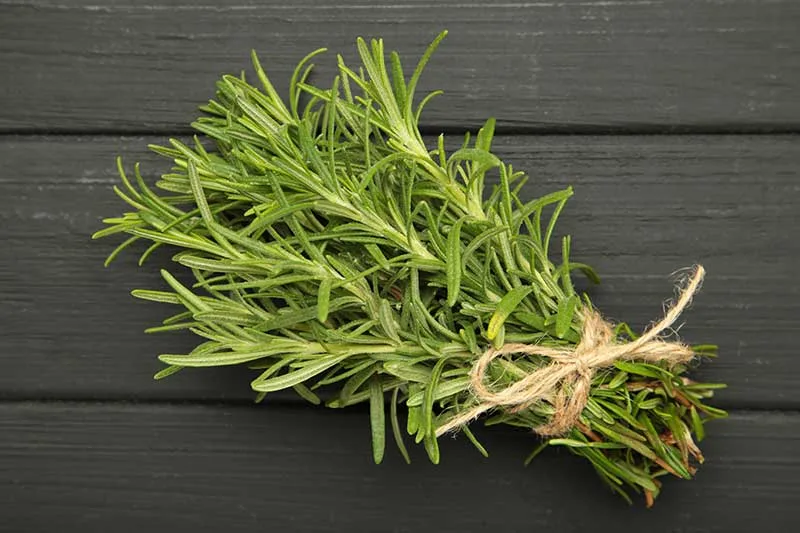
- Place 1–2 fresh stems in a cup.
- Add boiling water and cover the cup with a saucer or a lid
- Wait 7–10 minutes for the aroma and flavor.
- Strain and drink.
If the taste of rosemary tea is strong, it is better to add a little honey or lemon to it. Also, blend would be rosemary with peppermint or chamomile, which gives a milder and more balanced taste.
The Importance of Rosemary in Cooking
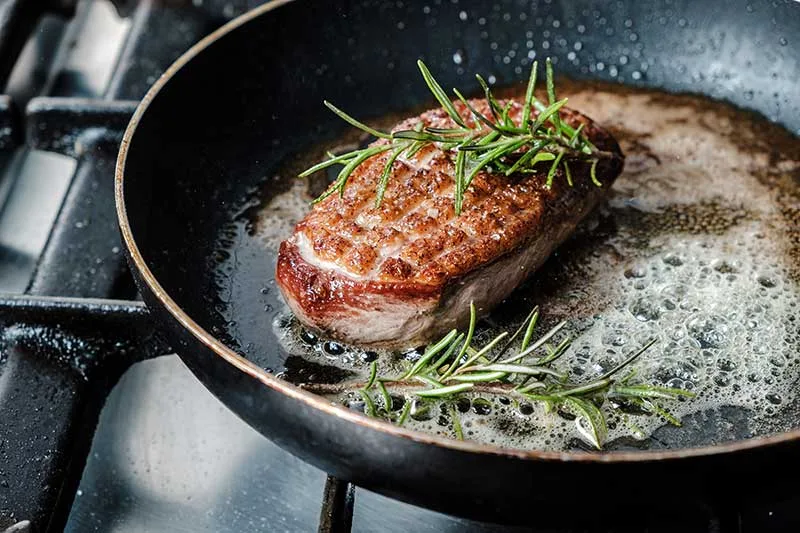
Rosemary is one of the most popular spices in Mediterranean cuisine. Its woody and aromatic flavor is excellent in cooking. This herb is used in cooking chicken, steak, potatoes, bread, and different sauces. Cooking with rosemary allows the beneficial compounds of the herb to enter the diet naturally.
Conclusion
Rosemary and its tea are a simple, natural, and delicious choice for everyday use. With a long history in cooking and traditional medicine, this herb shows that a common spice can do more than just for the kitchen. Drinking rosemary tea can help calm the mind, improve digestion, and increase focus, without any major side effects.
Regular and moderate consumption of this herbal tea is a part of a healthy and relaxing daily lifestyle. In addition, rosemary, with its aromatic flavor, also improves the cooking experience and makes foods and drinks more enjoyable. It doesn’t matter whether you choose loose leaf, herbal blend, or tea bags; the important thing is to enjoy the aroma, flavor, and natural benefits of rosemary and make it a small but effective part of your daily routine. By doing so, you have introduced a simple but valuable herb into your daily life.
