Saffron Tea 101: Origin & Benefits of The Iranian Red Gold

Saffron tea is one of the most wonderful and best herbal teas that brings a sense of peace, tenderness, and unique beauty from the very first sip. Saffron has long been called red gold in Iran’s tea culture. It has high economic value and many health benefits and medical properties. It isn’t just a herb for brewing tea, but has its uses in cooking, confectionery, traditional medicine, aromatherapy, and even ritual ceremonies in the country.
Saffron tea is actually brewed from the red or powdered strands of saffron flower. Its herbal tea is soothing with a warm aroma and a slightly sweet and bitter taste. Today, saffron tea is popular not only in Iran but all over the world.
In this article, we will explore the historical roots of Iranian saffron, its health properties, medicinal applications, and best saffron tea recipes.
The Origin of the Saffron
Saffron has been cultivated in various parts of Iran for over 3,500 years, and many historians believe that its original origin is the Iranian plateau. Archaeological evidence also suggests that during the Achaemenid period, saffron was used in dyeing royal fabrics, producing perfumes, and even in religious ceremonies.
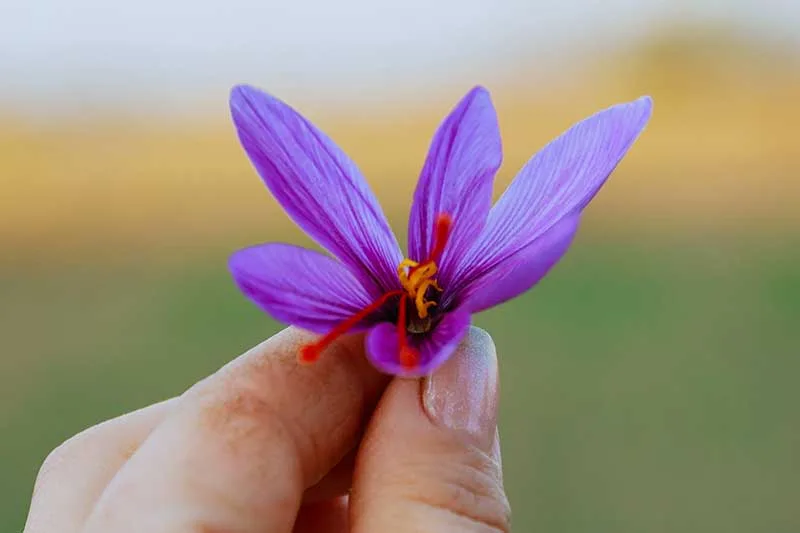
Throughout history, the cities of Khorasan province, especially Qaenat, have been known as the heart of Iranian saffron production. This region still produces the highest quality saffron in the world. During the Middle Ages, Iranian saffron traveled the trade routes of the Silk Road and was exported to China, India, Egypt, Greece, and Rome.
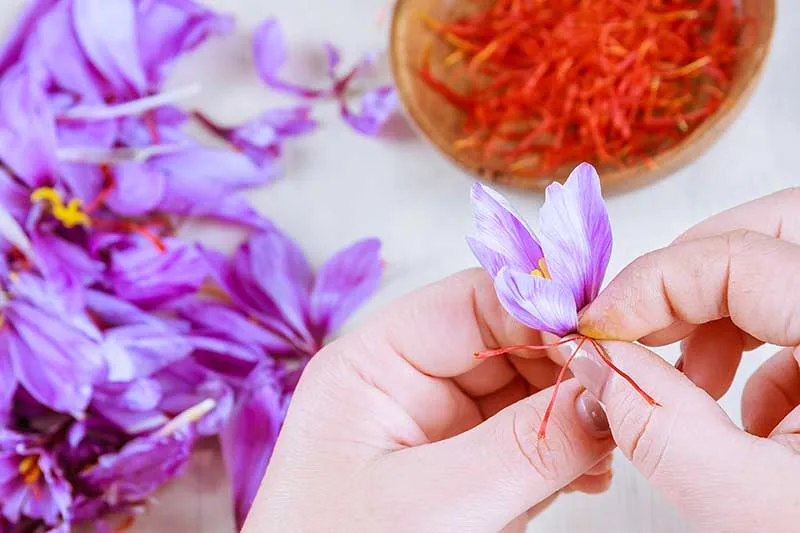
Saffron is of high value not because of its aroma and color but due to the difficult process of cultivation and harvesting. This process, which has to be manual and hasn’t been changed in centuries, made saffron an important part of Iran’s agricultural, economic, and even social identity today.
Saffron Tea Health Benefits
Many studies show that the active compounds in saffron, especially crocin, crostin, and safranal, have significant positive health effects, including the following:
- Reducing depression: Several studies indicate that saffron has a similar effect to some mild antidepressants and balances serotonin levels.
- Powerful antioxidant: Crocin and crostin help fight free radicals and protect cells from oxidative stress.
- Boosting memory: Some research shows that consuming saffron slows down the process of cognitive decline.
- Boosting vision: Crocin plays a supportive role in improving retinal function.
- Increasing energy: In daily infusions, saffron helps balance the central nervous system.
- Aiding digestion: Saffron tea has mild anti-inflammatory properties and reduces bloating and indigestion.
Use of Saffron in Traditional Medicine
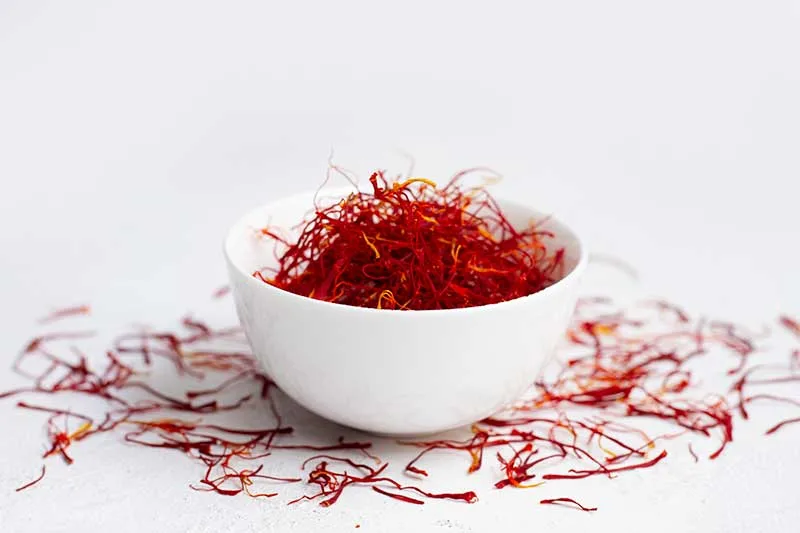
In Iranian medicine and many ancient healing systems in the world, saffron is known as a strong cheerleader, which is a substance that calms and regulates the spirit, mood, and blood circulation. For years, traditional healers have used saffron infusions or decocotions for the following:
- Strengthening the heart and improving blood flow
- Reducing anxiety
- Aiding digestion and relieving stomach heaviness
- Calming the nerves
- Reducing menstrual pain in women
- Strengthening the body’s general strength
Although traditional medicine considers saffron to be a warm and cheerful herb, it should be consumed in moderation, as excessive consumption of saffron causes increased heart rate, insomnia, or excessive body heat.
Best Saffron Tea Recipes
Here are two of my personal saffron tea recipes, helping you easily prepare this colorful and fragrant Iranian herbal tea at home.
#1 Classic Saffron Tea
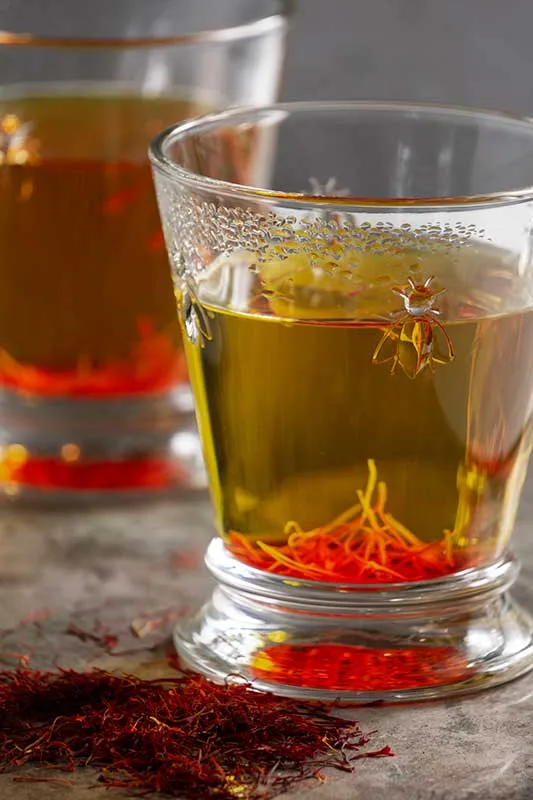
Ingredients you need:
- 10 to 15 saffron strands
- 1 cup boiling water
- 1 teaspoon honey (optional)
How to brew classic saffron tea?
Grind the saffron strands to powder in a mortar. Add the powder to a cup of boiling water and cover the cup to preserve its aroma. Wait 10 minutes until a deep golden color develops. Add honey if you like.
#2 Saffron & Cardamom Infusion
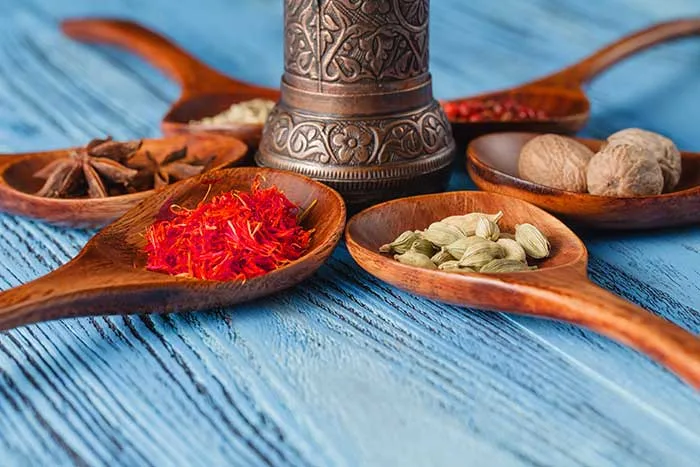
Ingredients you need:
- 10 saffron strands
- 1 green cardamom
- 1 cup hot water
- A little rose water (optional)
How to brew saffron & cardamom infusion?
Crush the cardamom to release its aroma. Pour the saffron and cardamom into the hot water and steep for 5 to 7 minutes. Add a few drops of rose water if you like. This drink is great for evening and night relaxation.
What is the Role of Saffron in Iranian Culture?
In Iran, saffron is just a cultural symbol. At parties, weddings, New Year ceremonies, and even as an everyday herbal tea, the golden color of saffron signifies hospitality and respect. Any drink that contains saffron, whether saffron syrup or tea, is served during formal receptions and is a symbol of happiness and positive energy.
In Persian literature, saffron is used many times as a symbol of beauty, happiness, energy, and value. This cultural position has made saffron tea not only a drink, but also a part of the Iranian lifestyle and a drink that warms body & soul.
Conclusion
Saffron tea is a combination of history, health, culture and unique taste; a drink whose roots are woven into thousands of years of Iranian history and is today known as one of the most valuable herbal drinks in the world. The scientifically proven benefits of saffron, from mood-boosting to antioxidant effects and eye health benefits, make it a great choice for daily drinking.
Along with that, saffron’s traditional medicinal uses and its extensive cultural role in Iranian ceremonies, celebrations, and everyday life make drinking saffron tea not just a dietary habit, but a cultural experience. If you’re looking for a soothing, colorful beverage with a warm aroma and real benefits, saffron tea is a genuine and valuable choice. Brew a few strands of Iranian red gold today and enjoy this ancient tradition.
