
Sage Tea 101: Origin, Health Benefits, and The Best Recipe

Sage tea is one of those must-drink herbal teas. Once you try it, it will undoubtedly become a part of your daily herbal teas. Among its unique characteristics are its mild aroma, its green and slightly spicy taste, and the feeling of relaxation that comes after drinking it. Sage or Salvia officinalis has long been a symbol of organic healing. Even its Latin name comes from the word salvere, which means to heal.
In this article, we will explore sage tea in detail, including its origin, health benefits, and best recipes.
Where Is the Origin and History of Sage?
Sage is a plant native to the Mediterranean region. Areas where the soil is calcareous, abundant sunshine, and sea breeze provide the best conditions for its growth. Years ago, the Greeks and Romans used this herb for cooking as well as to treat wounds, infections, and to calm the nerves.
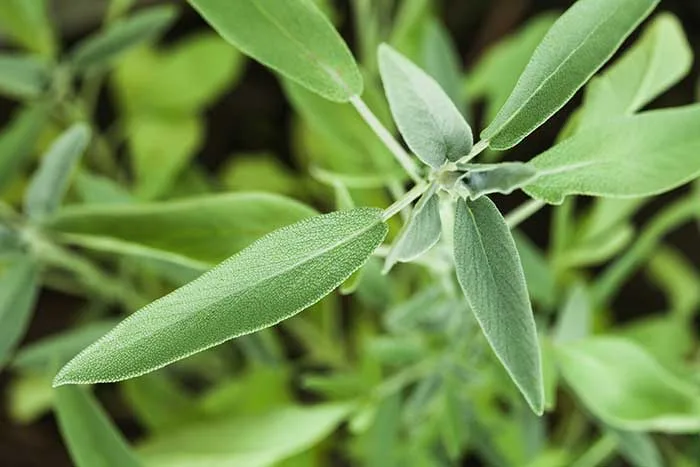
Many old European herbal books describe sage as a life-sustaining herb. It was even more expensive than imported spices. The reason it’s so expensive is that almost every household uses it for everyday problems like colds, indigestion, excessive sweating, or boosting focus & memory. Sage leaves are rich in antioxidant compounds like Rosmarinic acid, which fight inflammation and even help with brain & mental health.
What Are the Health Benefits of Sage Tea?
Sage tea is a simple herbal tea, but it contains a complex combination of active ingredients that provide a range of potential benefits. Let’s explore some of the most prominent health benefits of sage tea.
#1 Organic Anti-inflammatory
The presence of compounds such as carnosol and rosmarinic acid gives sage a significant anti-inflammatory effect. These substances are very effective in combating chronic and mild inflammation in the body and even help significantly reduce the risk of metabolic diseases.
#2 Reduces Bloating
If you feel heavy or bloated after eating, a cup of sage tea is really soothing and can reduce bloating relatively fast. The bitter and aromatic compounds in it gently stimulate the secretion of digestive juices, which makes digestion easier.
#3 Reduces Sweating & Hot Flashes
In many European countries, sage is considered one of the most effective herbs for reducing excessive sweating. It is also used by menopausal women to reduce hot flashes.
#4 Calms The Mind
Many studies show that sage extract helps improve cognitive function. Traditional Iranian medicine always mentions this effect and considers sage a soul-warming herb.
Uses of Sage in Traditional Medicine
In traditional Iranian, European, and Mediterranean medicine, the sage plant has a similar position as the herb of a thousand uses. For example, its uses in traditional medicine are as follows:
- To relieve mild headaches and stress
- To enhance memory and mental focus
- To reduce sore throat
- To improve digestion
- To reduce night sweats
- To heal mouth ulcers due to its antibacterial properties
It is interesting to know that in many homes, sage is used as a little pharmacy, and even its fresh leaves are boiled into decoctions and consumed as natural mouthwashes.
Recipes for Two Types of Sage
Let’s explore how to brew sage tea so that you can prepare this fragrant and soothing herbal tea in the way it is intended to.
#1 Classic Sage Tea
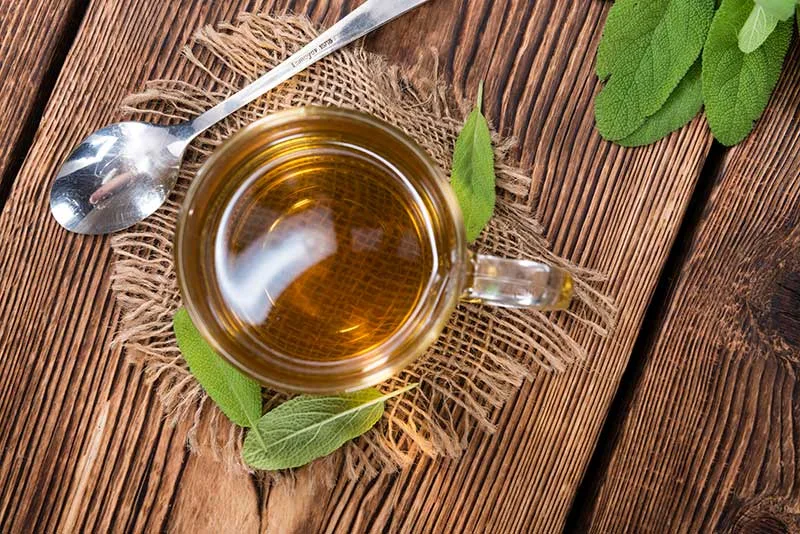
Ingredients you need are:
- 1 to 2 grams dried sage leaves
- 1 cup boiling water
How to brew classic sage tea?
- Place the leaves in a small teapot
- Fill 2/3 of the teapot with boiling water and let it steep for 5 to 10 minutes. The longer it steeps, the spicier it will taste
- Strain it and add a little honey if you like.
Drinking classic sage tea is great after main meals as it aids digestion.
#2 Sage Herbal Blend
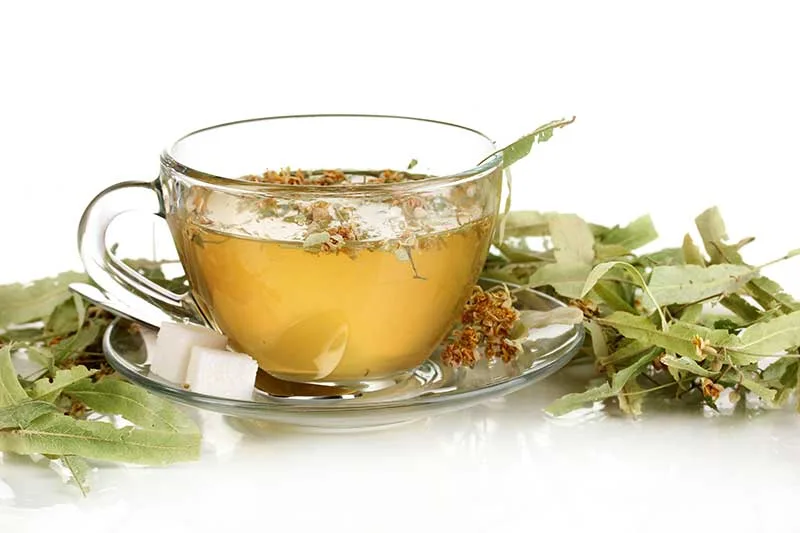
Ingredients you need are:
- 1 teaspoon sage
- Half a teaspoon chamomile or marjoram
- Boiling water
How to brew sage herbal blend?
- Mix sage leaves with chamomile or marjoram and add it to a teapot
- Pour boiling water until teapot is 2/3 full
- Let it steep for 7 minutes.
- Strain and enjoy drinking
This blend has a soft aroma, a nice calming effect, and is great before going to bed.
Conclusion
Marjoram tea is one of those teas that is both easy to make and has a wide range of potential benefits. From its Mediterranean origins to its prominent presence in traditional medicine, it has always been known as a herb for relaxation, improving digestion, and reducing inflammation.
Now that we know about its effective compounds, such as rosmarinic acid, carnosol, and natural antioxidants, we understand why it has been recommended in herbal books for centuries. The two recipes introduced in this article will help you prepare a pure or blended tea, depending on your mood. If you are looking for a drink that both tastes herbal and makes you feel better over time, marjoram tea is a great choice. Just try it for a few days, and you will understand why this plant has been called the “healing leaf” in many cultures.
